Understanding Wildebeest Calving Season Safari
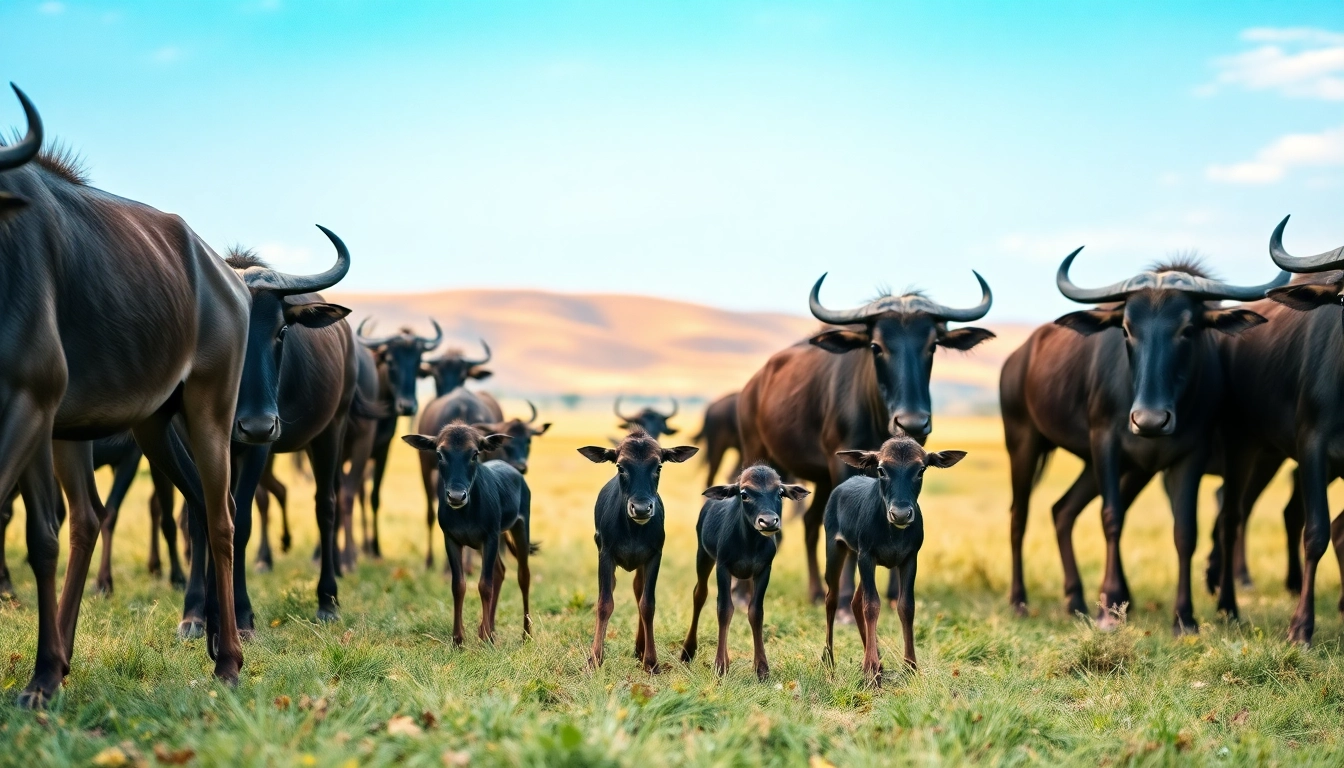
The Wildebeest Calving season safari is a thrilling opportunity for wildlife enthusiasts to witness one of nature’s greatest spectacles. Each year, thousands of wildebeest come to the Serengeti in Tanzania and the Masai Mara in Kenya to give birth to their calves during a synchronized event that occurs between late January and early March. This season is not just essential for the species but is also a dramatic period that illustrates the complex and interwoven threads of the ecosystem in which they thrive.
The Timing of the Calving Season
Calving season is timed to coincide with the rainy season, ensuring that the young calves have access to fresh grass and ample water. The peak of the wildebeest calving typically happens from mid-February to mid-March, during which time around 500,000 calves are born over a relatively short period. Understanding this rhythm is critical for those planning their trips, as being present during these weeks maximizes chances for witnessing the miracle of birth as well as the thrilling predator-prey dynamics that unfold shortly thereafter.
Why Calving is Critical for the Ecosystem
The wildebeest calving season plays a vital role in maintaining the health of the savannah ecosystem. As vast herds migrate across the landscape, grazing on grasses, they help fertilize the soil with their droppings, contributing to plant growth. This, in turn, supports not only the wildebeest but also a myriad of other species, from predators like lions and hyenas to birds of prey and scavengers like vultures. The surge in the population of young wildebeest creates a food bonanza for predators, leading to increased survival skills among the younger generations of various species, thus fostering a balanced environment.
Experiencing the Calving Season
Embarking on a safari during the calving season means immersing oneself in an unfiltered natural drama. Visitors can experience the sounds of the herd, the cries of newborns, and the chaos of hunt and escape. Guides skilled in interpreting animal behavior enrich the experience, providing insights into maternal care, the immediate threats to newborns, and the communal dynamics of the herd. It’s a time of both vulnerability and vitality in the wilderness, and for many guests, it becomes an emotional highlight of their safari adventures.
Best Locations for a Wildebeest Calving Season Safari
Featured National Parks and Reserves
The primary locations to observe the wildebeest calving season are the Serengeti National Park and the Ngorongoro Crater in Tanzania, as well as the Masai Mara National Reserve in Kenya. The Serengeti provides a vast landscape with ample grasslands, while the Ngorongoro Crater offers a unique vantage point where the steep sides of the crater can host incredible wildlife viewing opportunities. The Masai Mara is known for its more compact geography, where wildlife encounters can be equally thrilling during this season.
Top Spots for Observation
Some of the best observation points include Ndutu in the southern Serengeti, where large herds gather due to the lush pastures. Rivertine forests are also popular, providing shade while spotting unique interactions among the wildlife. In the Ngorongoro Crater, look for high ridges and grassland clearings where young wildebeest can be observed frolicking or gathering for protection from predators. The open plains of the Masai Mara offer excellent visibility for spotting both wildebeest and their associated predators.
Seasonal Weather Considerations
The calving season coincides with the rainy season, meaning travelers should prepare for wet conditions. January through early March typically sees sporadic rain, leading to cooler temperatures during the day and chilly nights. Visitors should pack waterproof gear and layered clothing to accommodate these fluctuations, ensuring comfort while out in the field exploring the magnificence of the calving events.
Preparing for Your Safari Adventure
Essential Gear and Clothing
When preparing for a Wildebeest Calving season safari, packing the right gear is crucial. Opt for lightweight, breathable clothing that is suitable for layering. A good pair of binoculars is essential for wildlife observation, alongside a sturdy pair of hiking boots for traversing different terrains. A trusted camera with a zoom lens will help capture close-up moments without disturbing the animals. Additionally, consider bringing sunscreen, insect repellent, and a first aid kit for added safety.
Choosing the Right Safari Operator
Selecting an experienced safari operator is paramount, as they will provide invaluable local knowledge and enhance your wildlife experience. Look for operators that specialize in seasonal migrations and offer guided tours focused on the calving season. Reviews and testimonials can provide insight into their reliability and the quality of their tours. Furthermore, check for operators that maintain ethical wildlife practices, underscoring the importance of conservation within their guided experiences.
Health and Safety Tips
Health and safety should be a top priority when undertaking a safari. Ensure vaccinations are up to date and inquire about any necessary medications, such as antimalarials. It’s wise to drink prescribed bottled water and avoid consuming food from uncertain sources. Furthermore, always adhere to the guidelines and directives provided by your safari guide, who is well-versed in tracking wildlife behavior and maintaining safety during hunts and calves’ vulnerabilities.
What to Expect During the Calving Season
Wildlife Interactions and Encounters
During the calving season, the likelihood of witnessing wildlife interactions increases dramatically. Expect to see not just the mothers with their calves but also the predators that follow the herds, including lions, cheetahs, and hyenas. Observers will have the rare chance to witness the raw intensity of life and death in the wild, as the survival of these vulnerable young calves often hinges on the skill of their mothers and the cunning of their predators.
Unique Behaviors of Wildebeest Mothers
Wildebeest mothers display remarkable behaviors during the calving season. After giving birth, they often isolate themselves from the herd to nurture their newborns, allowing them to stand and walk on their own quickly. Protective instincts are heightened as mothers keep a close watch on their calves, leading them back to the safety of the herd. This maternal bond is critical as it significantly enhances the calf’s chance of survival in a predatory landscape.
Photography Tips for Capturing the Moment
Capturing the essence of the calving season through photography requires patience and the right techniques. Prioritize the golden hours of dawn and dusk for the best lighting. Use a zoom lens to maintain distance while still gathering stunning details of the interactions. Focus on candid shots of mothers and calves, as well as broader herd movements. Finally, be respectful of wildlife and maintain a safe distance, allowing nature to unfold without interference.
FAQs About Wildebeest Calving Season Safari
When is the best time to witness wildebeest calving?
The best time to witness wildebeest calving is generally from mid-February to mid-March, coinciding with the rainy season in Tanzania and Kenya.
Is it safe to observe calf births?
Yes, it is safe to observe calf births from a distance, as long as visitors follow the guidance of experienced safari operators and maintain a respectful approach to wildlife.
What should I wear for a calving safari?
Wear lightweight, breathable clothing suitable for layering, and consider a sturdy pair of hiking boots, sun protection, and rain gear, as conditions can change rapidly.
Can I book a guided tour during calving season?
Yes, guided tours are extensively available during calving season, offering structured experiences focused on witnessing the annual wildlife phenomena distinct to this time.
Are there any specific health precautions to be aware of?
Be sure to consult a healthcare provider for necessary vaccinations and medications, maintain hygiene, and drink only bottled or purified water during your safari.