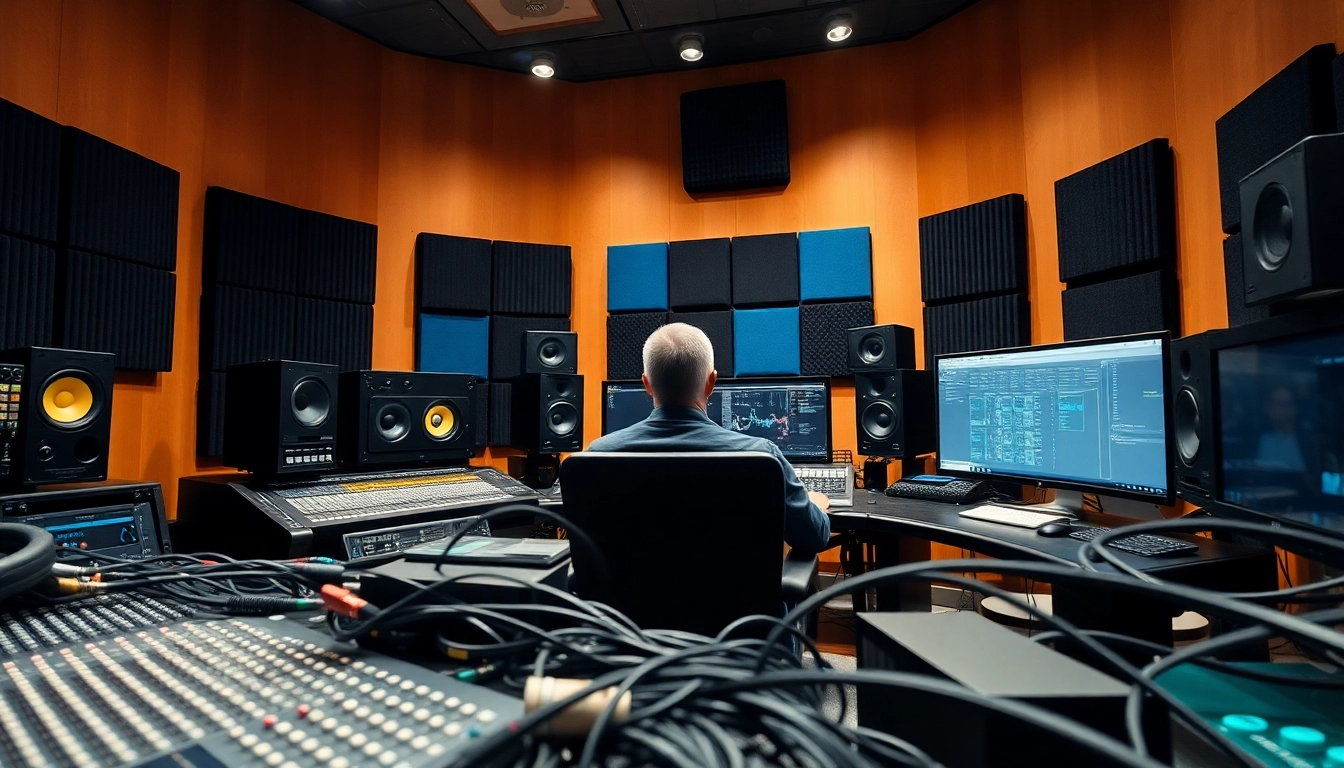

Understanding the Essentials of Video Production
Video production is a complex but rewarding process that brings stories to life through visual storytelling. It encompasses a variety of tasks, from pre-production planning to filming and editing. Understanding the essentials of video production is vital not just for filmmakers but for anyone looking to leverage the power of video for storytelling, marketing, or education. Whether you are an aspiring filmmaker or a business professional, mastering the art of Video Production is key to creating engaging content.
Key Components of Video Production
At the heart of video production are several key components that are instrumental in creating polished final products. Understanding each component helps streamline the entire production process.
- Concept Development: The initial idea or concept is crucial. It serves as the foundation upon which all other components are built.
- Scriptwriting: A well-structured script outlines dialogue and action sequences, guiding the video’s direction.
- Casting: Choosing the right actors or presenters can elevate the narrative and engage the audience effectively.
- Location Scouting: Finding the perfect filming locations can significantly impact the video’s aesthetics and overall message.
- Editing: This is where the raw footage is transformed into a cohesive story through cutting, transitions, sound, and visual effects.
Stages of Video Production
Video production can be broken down into three broad stages: pre-production, production, and post-production. Each stage is crucial, contributing to the overall success of the final video.
- Pre-Production: This stage involves planning and preparation, including scripting, storyboarding, and scheduling.
- Production: The actual filming of the video occurs in this phase, which involves actors, filming crew, and equipment.
- Post-Production: After filming, this stage focuses on editing, sound design, and color correction to create the final product.
Tools You Need for Effective Video Production
Having the right tools can significantly enhance the quality of your video production. Here are some must-have tools:
- Camera: The choice of camera depends on your project budget and needs. DSLR, mirrorless cameras, and camcorders are popular options.
- Tripods/Stabilizers: These tools help achieve steady shots and enhance video quality.
- Lighting Equipment: Proper lighting sets the mood and enhances the visual clarity of each shot.
- Sound Gear: Quality microphones and sound recording equipment ensure clear audio, which is essential for effective storytelling.
- Editing Software: Tools like Adobe Premiere Pro and Final Cut Pro are widely used for editing video content.
Planning Your Video Production
Successful video production starts at the planning stage. Without clear objectives and a well-thought-out plan, the quality of the final product may suffer.
Setting Clear Objectives
Your video’s objectives will dictate its structure, content, and style. Are you aiming to educate, entertain, or inspire? Setting clear goals ensures that everyone involved in the production process is aligned and focused on achieving the desired outcome.
Creating a Script and Storyboard
The script serves as the backbone of your video. It outlines not only what will be said but also visual cues that dictate how scenes will unfold. Once you have your script, creating a storyboard helps visualize each scene, allowing for better planning and execution during filming.
Identifying Your Target Audience
Understanding who your audience is will influence every aspect of your video, from its tone and style to distribution channels. Engaging your audience requires research and analysis to ensure that content resonates with them.
Executing Your Video Production Plan
Once the planning is complete, it’s time to execute the production plan. This phase involves collaboration between various team members and effective communication to create a seamless production experience.
Gathering Your Team
Building a skilled and collaborative team is essential for executing the vision outlined in your script and storyboard. Each team member should have clear roles and responsibilities to optimize workflow and ensure everyone is working towards a common goal.
On-Site Video Production Tips
Filming on-site requires excellent coordination and flexibility. Here are some tips to facilitate an efficient shooting process:
- Arrive Early: Allow ample time for equipment setup and rehearsals.
- Check Equipment: Ensure all equipment is functioning correctly before filming begins.
- Monitor Environment: Be aware of elements such as sound and light, and be prepared to adapt.
- Stay Organized: Keep track of scenes and footage to avoid confusion during editing.
Filming Techniques for Quality Videos
Employing various filming techniques can enhance the visual appeal of your video. Techniques such as framing, angles, and camera movements can evoke different emotional responses and keep viewers engaged.
- Rule of Thirds: This compositional technique creates balanced shots that are aesthetically pleasing.
- Close-Ups: These shots can effectively highlight emotions and important details.
- Dynamic Shots: Using techniques such as panning and tilting creates movement and adds excitement.
Post-Production: Bringing Your Vision to Life
Post-production is where the raw footage transforms into a coherent narrative. This stage is just as vital as shooting and requires technical skills and attention to detail.
Editing Techniques for Impactful Videos
Editing can make or break your video. Understanding editing techniques such as cutting on action, transitioning smoothly, and pacing will engage your viewers and convey your message effectively.
Incorporating Sound and Music
Sound design significantly impacts the audience’s emotional response. Incorporating music and sound effects should enhance the viewing experience and align with the video’s overall mood and message.
Finalizing and Distributing Your Video
Before distribution, ensure that the video is formatted correctly for the intended platform and that all branding elements are in place. Create a marketing strategy to promote the video effectively to reach your target audience.
Measuring Success in Video Production
Measuring the success of your video production efforts is crucial for evaluating effectiveness and making improvements in future projects.
Tracking Viewer Engagement
Understanding viewership metrics such as watch time, engagement rates, and viewer retention provides insights into how effectively your video is capturing attention and conveying its message.
Analyzing Feedback and Improving Future Productions
Soliciting feedback from viewers and stakeholders can give you valuable insights into what worked well and what can be improved in your future video productions. Be open to criticism and look for opportunities for growth.
Setting Key Performance Indicators
Establishing key performance indicators (KPIs) helps track the effectiveness of your video against your initial objectives. Common KPIs include views, engagement rate, shares, and conversion metrics, helping you quantify success.
FAQs about Video Production
What is the average cost of video production?
The cost of video production varies widely based on quality, duration, and complexity. Basic projects can start at a few hundred dollars, while high-end productions can cost tens of thousands.
How long does the video production process take?
The timeline for video production can range from a few days for simple projects to several months for more complex productions, depending on planning and execution needs.
What should I look for in a video production company?
When selecting a video production company, consider their portfolio, experience, client reviews, and whether they understand your vision and target audience.
Can I produce a video without professional equipment?
Yes, many successful videos have been created using smartphones and basic editing software. The key is effective storytelling and quality content.
Is video production only for large companies?
No, video production is accessible to businesses of all sizes. Small businesses can also benefit from video marketing to boost engagement and reach.