
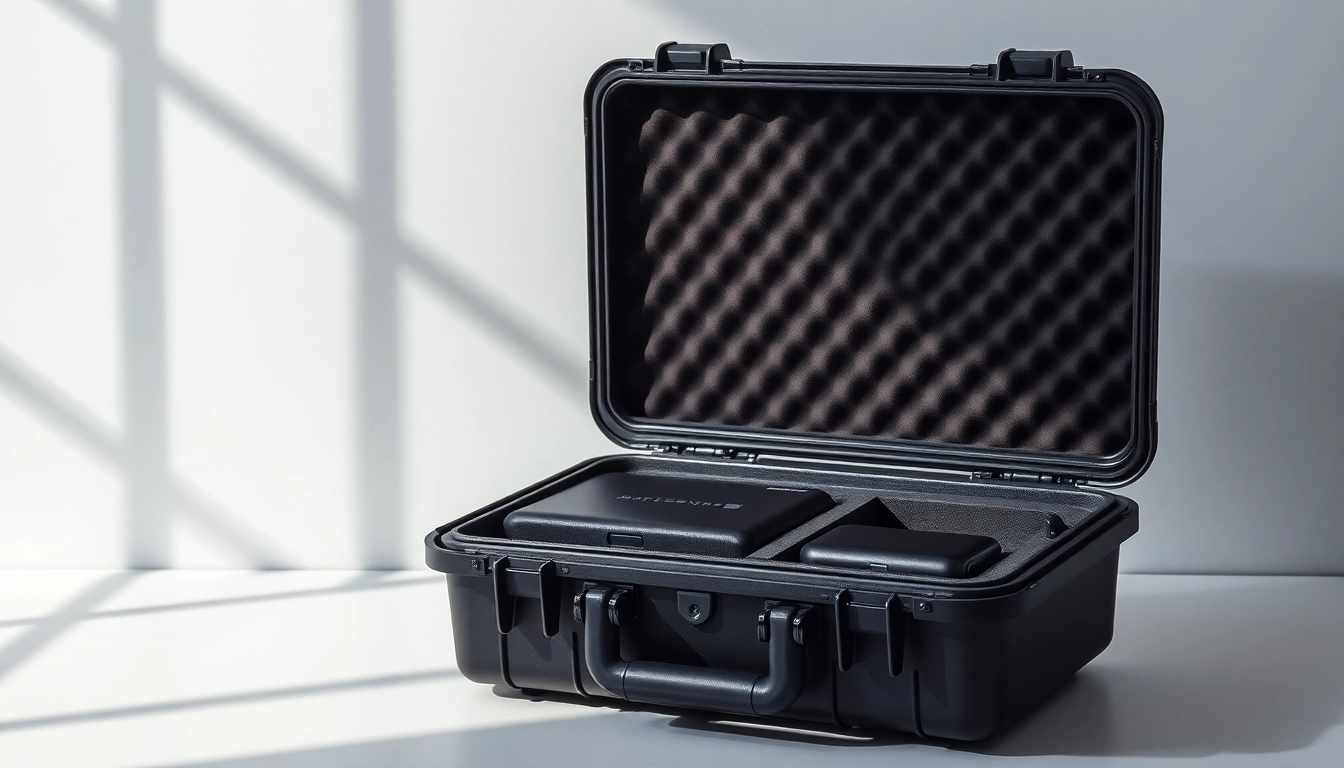
Understanding the Importance of a Hard Case
In an era where mobility and protection of possessions are paramount, the significance of a Hard case cannot be overstated. Whether you’re a frequent traveler, a professional transporting sensitive equipment, or simply someone looking to keep valuable belongings safe, understanding the importance of a hard case is essential. It serves as the frontline defense against impact, dust, moisture, and various environmental factors that could jeopardize your items. Let’s delve deeper into the myriad advantages that hard cases offer.
Benefits of Using a Hard Case
Hard cases provide a robust layer of protection that soft cases cannot match. Here are several key benefits:
- Impact Resistance: Hard cases are designed to withstand significant impact, keeping your items safe even if the case is dropped or knocked around.
- Weather Protection: Many hard cases are built to resist water, dust, and extreme temperatures, ensuring your possessions remain secure in varying conditions.
- Versatility: Available in various sizes and configurations, hard cases cater to a wide range of items—from electronics to musical instruments.
- Stackability: Many hard cases are designed to stack securely, making them an excellent choice for transport and storage optimization.
- Longevity: High-quality materials ensure that your hard case lasts for years, protecting your investments over time.
Common Uses for Hard Cases
Hard cases are utilized in various fields and personal applications:
- Photography: Photographers often use hard cases to transport their cameras and lenses securely.
- Musical Instruments: Musicians opt for hard cases to keep their instruments free from damage during travel.
- Medical Equipment: Hospitals and clinics utilize hard cases to transport delicate and essential medical devices.
- Power Tools: Tradespeople use hard cases to keep their tools organized and protected during transit.
How Hard Cases Protect Your Items
The fundamental design of hard cases contributes significantly to protection:
- Material Strength: Made from durable materials like polycarbonate or ABS plastic, hard cases resist cracking and breakage.
- Foam Inserts: Many hard cases feature interior foam padding that cushions items against shocks and vibrations.
- Locks and Seals: Hard cases often come equipped with secure locks and airtight seals that protect against theft and environmental damage.
Types of Hard Cases Available
With a wide range of hard cases on the market, it is essential to understand the differences and suitability for your needs.
Material Differences in Hard Cases
Several materials are commonly used in the manufacturing of hard cases:
- Polycarbonate: Known for its high impact resistance, polycarbonate cases are lightweight and durable, making them a popular choice.
- ABS Plastic: Inexpensive and relatively sturdy, ABS is commonly used for less critical applications.
- Aluminum: For a more premium option, aluminum hard cases offer excellent protection and a professional aesthetic, but at a higher price point.
Customizable Hard Case Options
Customization options can enhance functionality:
- Interior Configurations: Cases can be tailored with foam inserts or dividers to accommodate specific item shapes and sizes.
- Color Choices: Many manufacturers allow for color customization, enabling personal or branding aesthetics.
- Labels & Graphics: Adding labels or graphics can enhance visibility and personalization.
Choosing the Right Size for Your Needs
Understanding dimensions is crucial when selecting a hard case:
- Measuring Items: Accurate measurements help ensure a proper fit without compromising on padded protection.
- Extra Space Consideration: When measuring, consider additional space for cushioning materials, such as foam or blankets.
- Manufacturer Guidelines: Always refer to the manufacturer’s size guides for optimal fit recommendations.
How to Select a High-Quality Hard Case
Selecting a high-quality hard case involves several considerations that enhance protection and usability.
Key Features to Look For
When evaluating hard cases, important features include:
- Weather Resistance: Look for ratings on waterproof and dustproof capabilities.
- Locking Mechanisms: Quality handles and secure locking systems add a layer of theft protection.
- Mobility Options: Wheels and retractable handles can enhance portability, especially on larger models.
Evaluating Durability and Protection Levels
Assessing durability can save you from future disappointments:
- Impact Testing: Research impact resistance ratings to ensure the case will withstand expected conditions.
- Warranty Information: A solid warranty can be indicative of the manufacturer’s confidence in their product’s durability.
- User Reviews: Look for customer feedback regarding real-life performance and durability.
Price vs. Performance Considerations
Balancing price and performance is crucial in making an informed choice:
- Long-term Investment: Consider the long-term savings of a higher quality hard case that protects your possessions better.
- Features vs. Budget: Prioritize critical features based on your specific needs and avoid unnecessary additional costs.
- Brand Reputation: Research the manufacturer for reliability over time; cheaper doesn’t always equate to better.
Maintaining Your Hard Case for Longevity
Proper maintenance can significantly extend the life of your hard case.
Cleaning and Care Tips
Regular cleaning not only keeps your case looking good but also ensures functionality:
- Wipe Down: Use a soft cloth and mild detergent to clean the exterior regularly.
- Inspect for Damage: Regularly check for cracks or damage that may compromise its protective qualities.
- Foam Maintenance: Replace or clean foam padding as necessary to prevent deterioration.
Storing Your Hard Case Correctly
Proper storage conditions can prevent long-term damage:
- Avoid Humidity: Store in a dry place to prevent mold and mildew growth.
- Keep Away from Direct Sunlight: Prolonged sun exposure can affect the materials over time.
- Secure Stackability: If storing multiple cases, ensure they are stacked securely to avoid unnecessary strain on any one case.
Signs of Wear and When to Replace
Knowing when to replace your hard case can save your belongings:
- Visible Damage: Cracks, dents, or broken locks indicate it may no longer offer reliable protection.
- Functional Issues: If closures or latches no longer function correctly, it’s time for a replacement.
- Age of the Case: If your case has been heavily used for years, consider an inspection and possible replacement.
FAQs About Hard Cases
What is a hard case used for?
Hard cases protect valuable items such as electronics, tools, and personal belongings from damage during transport or storage.
Are hard cases waterproof?
Many hard cases are designed to be waterproof, especially those made for sensitive equipment; always check specifications for assurance.
Can I customize my hard case?
Yes, many manufacturers offer customizable hard cases with options for internal configurations and exterior designs suited to individual needs.
How do I choose the right size hard case?
To choose the right size, measure your items and consider extra space for padding and organization; refer to the manufacturer’s size guide.
What materials are hard cases typically made from?
Hard cases are generally made from materials like ABS plastic, aluminum, or polycarbonate, each providing different levels of protection and weight.