
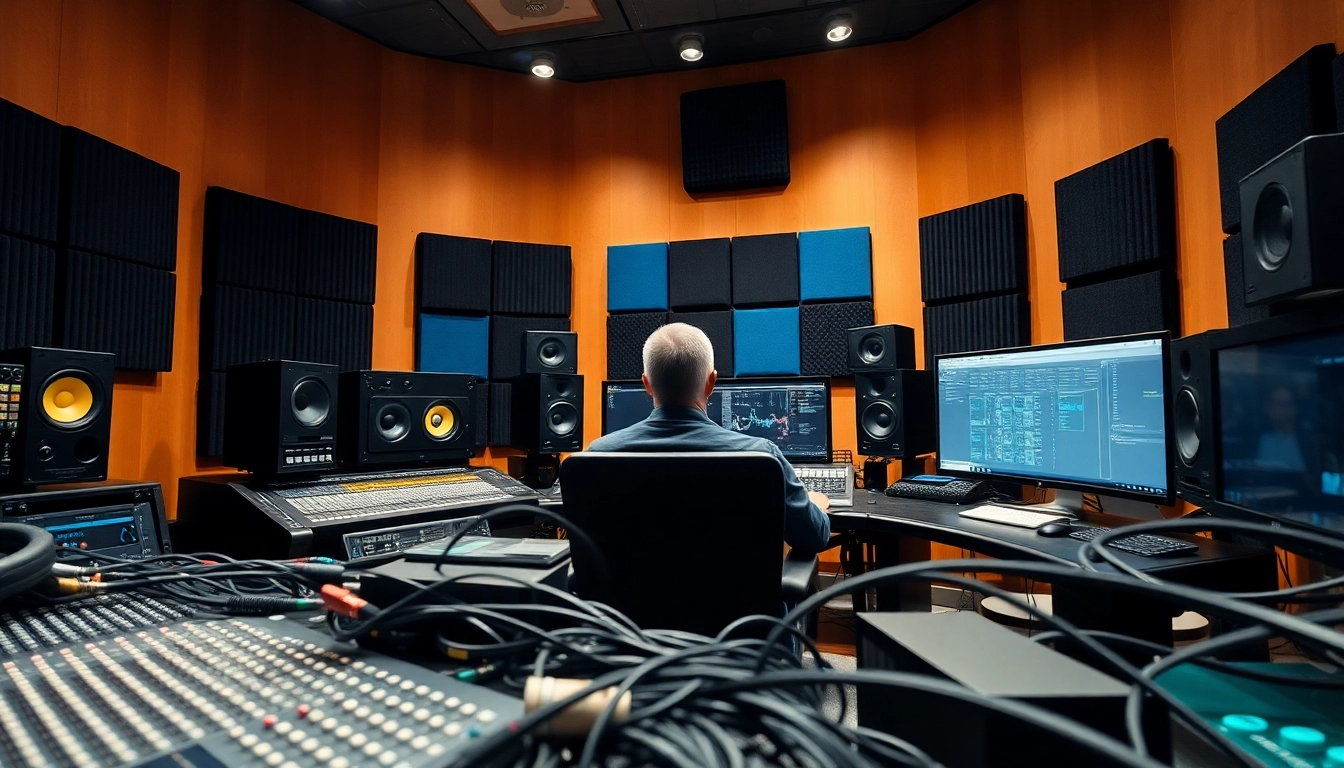
Understanding Online Audio Mastering
What is Online Audio Mastering?
Online audio mastering is the process of preparing and transferring recorded audio from a source to a data storage device. This process ensures that the final product is polished and of high quality, suitable for distribution across various platforms. Unlike traditional mastering, which often takes place in a dedicated studio with expensive equipment and professional audio engineers, online audio mastering allows musicians and producers to utilize web-based services to achieve professional results remotely, often at a fraction of the cost.
Importance of Mastering in Music Production
The mastering process plays a crucial role in music production, acting as the final step before distribution. It involves not only refining the sound quality but also ensuring that the audio translates well across a variety of playback systems, from professional speakers to smartphone earbuds. Mastering enhances the overall listening experience through various techniques such as equalization, compression, and limiting, which collectively ensure consistency in volume and tone. Without effective mastering, even the highest quality recordings can fall flat or sound unprofessional.
How Online Audio Mastering Differs from Traditional Mastering
The primary distinction between online and traditional mastering lies in accessibility and convenience. Traditional mastering often requires the artist to be physically present during the process, working closely with an engineer in a studio environment. This can be time-consuming and expensive. Conversely, online audio mastering services allow artists to submit their tracks digitally, enabling faster turnaround times and often more affordable pricing. While the quality of online services can vary, many platforms now leverage advanced algorithms and experienced audio engineers to deliver results that rival traditional methods.
Key Techniques in Online Audio Mastering
Essential Tools for Effective Online Audio Mastering
For successful online audio mastering, a variety of tools and software are essential. These include digital audio workstations (DAWs) and specific mastering plugins that enhance audio quality. Popular choices include:
- Equalizers (EQ): Used to adjust frequency balance.
- Dynamic Processors: Such as compressors and limiters, to control the dynamic range.
- Saturation Plugins: For adding warmth and depth.
- Analyzers: Tools to visualize frequency response and dynamic range.
The right combination of these tools can dramatically affect the outcome of the mastering process, creating a polished final track ready for release.
Best Practices for Achieving Professional Sound Quality
To achieve professional sound quality during online audio mastering, consider the following best practices:
- Start with a strong mix: Ensure your mix is well-balanced before mastering.
- Use reference tracks: Compare your master to professionally mastered songs in a similar genre.
- Control levels: Keep the loudness level reasonable to avoid distortion.
- Take breaks: Allow your ears to rest to maintain objectivity during the process.
Adhering to these practices will enhance the overall quality of your final product and ensure it stands out in a competitive market.
Common Mistakes to Avoid in Online Audio Mastering
There are several common pitfalls that musicians should be aware of when engaging in online audio mastering:
- Over-compression: This can lead to a lifeless and flat sound.
- Ignoring reference tracks: Not comparing your track to industry standards can result in an unoptimized mix.
- Submitting poorly mixed tracks: Ensure your mix is finalized prior to mastering.
- Neglecting the importance of format: Check that your files meet the specifications required by your mastering service.
Selecting the Right Online Audio Mastering Service
Factors to Consider When Choosing a Service
When selecting an online audio mastering service, consider various factors that can impact the quality and turnaround time:
- Experience and Reputation: Look for reviews and testimonials to gauge the service’s quality.
- Tools and Technology: Ensure they use high-quality equipment and software.
- Turnaround Time: Assess how quickly they can deliver your mastered tracks.
- Customer Support: Choose a service that offers responsive customer service for any inquiries.
Comparing Pricing Models: What to Expect
Online audio mastering services usually offer various pricing models, including pay-per-track, subscription models, and packages that may include multiple tracks. Prices can range significantly based on factors like the complexity of the mastering process and the reputation of the service. It’s crucial to assess what is included in each pricing tier, such as number of revisions allowed, turnaround time, and any additional services like mixing or editing, to ensure you’re getting the best value for your investment.
User Reviews and Testimonials: What They Tell You
User reviews and testimonials can provide invaluable insights into the quality of an online mastering service. Look for reviews on independent platforms to avoid biased opinions. Pay attention to comments regarding customer service, turnaround times, and sound quality. Consistent positive feedback, particularly from professional musicians or producers, can indicate that the service is reliable and effective.
Tips for Preparing Your Tracks for Online Audio Mastering
Optimal Formats and Specifications for Mastering
Preparing your audio tracks for mastering involves adhering to specific formats and specifications:
- File Format: Use high-resolution formats like WAV or AIFF rather than MP3.
- Bit Depth and Sample Rate: 24-bit depth and a sample rate of at least 48kHz are typically recommended.
- No Limiting on the Mix: Avoid using final limiters or excessive compression on your mix to allow headroom for the mastering engineer.
How to Organize Your Projects for Submission
Proper organization of your project files can streamline the mastering process:
- Label Your Files Clearly: Use descriptive names for quick identification.
- Include Notes: Provide any specific instructions or preferences you have regarding the sound of the master.
- Use a Consistent Naming Convention: This helps when revisiting tracks later.
Ensuring Your Audio Quality Before Mastering
Before sending your tracks for mastering, review your audio quality thoroughly. Listen at low and high volume levels across different playback systems to detect any inconsistencies. If possible, enlist a trusted peer to provide feedback on your mixes. Making adjustments based on this feedback will increase the likelihood of achieving a polished final product.
Measuring Success in Online Audio Mastering
Performance Metrics for Evaluating Your Masters
To assess the success of your masters, several performance metrics can be considered:
- Loudness Level: Measure in LUFS to ensure competitiveness in streaming environments.
- Dynamic Range: Check the dynamic range using tools like the DR meter to ensure your music retains its vitality.
- Frequency Analysis: Use analyzers to verify that the frequency spectrum is balanced and full.
Feedback from Listeners: Analyzing Listener Reactions
Gathering feedback from listeners is crucial when measuring the effectiveness of your mastering. Utilize social media platforms, streaming service comments, or even surveys to collect audience reactions. This feedback can provide insights into how well the mastering translates across different playback systems and help inform future projects.
Continuous Improvement: Learning from Each Project
Every mastering project presents an opportunity for growth and learning. Analyze both successful and less successful masters to identify what worked and what didn’t. Keeping a checklist based on these learning experiences will enhance your future mastering efforts and ultimately lead to better sound quality and listener satisfaction.
Frequently Asked Questions
What is the difference between mixing and mastering?
Mixing involves balancing individual tracks in a song, while mastering is the final step ensuring the overall sound quality is polished and consistent across different playback systems.
How much does online audio mastering typically cost?
Prices can vary widely based on the service and complexity, ranging from $20 to several hundred dollars per track. Research and compare services for best value.
Can I master my own music online?
Yes, many tools and services allow you to master your own tracks. However, professional mastering can often achieve higher-quality results due to specialized skills and equipment.
What formats do I need to submit for mastering?
Common formats for mastering submission include WAV and AIFF files. Ensure they are high-resolution for the best results.
How long does the online mastering process take?
Turnaround times can vary by service, typically ranging from a few hours to several days, depending on workload and service policies.