
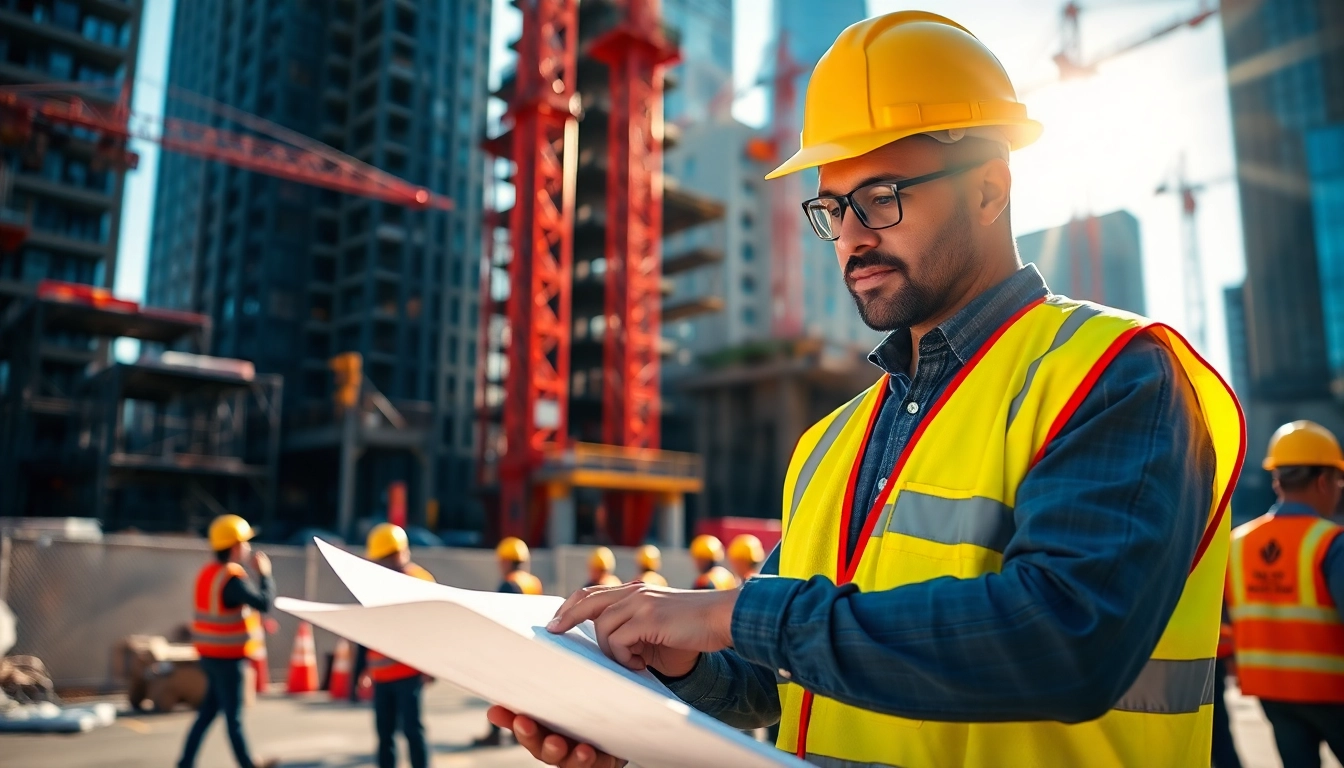
Understanding the Role of a New York Construction Manager
The role of a New York Construction Manager is pivotal in ensuring that construction projects are executed effectively, efficiently, and within approved budgets and timelines. This professional serves as the keystone between the multiple stakeholders involved in construction projects, ensuring that all aspects are synchronized. From pre-construction planning to managing the day-to-day operations of the site, their influence is felt at every phase of construction.
Defining Responsibilities
A New York Construction Manager carries a diverse set of responsibilities that go beyond mere oversight. They are tasked with project planning, resource allocation, managing teams, liaising with contractors and subcontractors, and ensuring compliance with safety and building regulations. Key responsibilities include:
- Planning project phases and defining scope
- Developing budgets and schedules
- Procurement of materials and resources
- Monitoring progress and quality of work
- Reporting to stakeholders about the project’s status
- Implementing safety protocols
Key Skills for Success
Successful New York Construction Managers possess a wide range of skills, including:
- Leadership: They must lead teams effectively and ensure that all members are motivated and focused on project goals.
- Communication: Clear and concise communication with clients, contractors, and team members is essential.
- Problem-Solving: They must efficiently address issues that arise on-site and adapt plans as needed.
- Technical Knowledge: Familiarity with construction methods, materials, and legal regulations is crucial.
- Budgeting and Financial Acumen: They need to manage budgets and financial forecast models well.
Typical Working Environment
The work environment of a New York Construction Manager is both dynamic and demanding. They typically split their time between office tasks like scheduling and budgeting and on-site duties overseeing construction activities. This blend of office and fieldwork requires adaptability and the ability to manage multiple priorities simultaneously.
Importance of a New York Construction Manager in Projects
The importance of a New York Construction Manager cannot be overstated, as they play a foundational role in the successful delivery of construction projects. Their contributions span several critical areas that significantly impact project outcomes.
Ensuring Quality Control
A critical responsibility of the New York Construction Manager is to implement robust quality control processes. They oversee the work done to ensure it meets established standards and project requirements. This includes conducting regular site inspections and coordinating with architects and engineers to ensure that specifications are being met. By prioritizing quality, these managers help prevent project delays and cost overruns associated with rework.
Managing Budgets and Resources
A New York Construction Manager meticulously manages the project budget to ensure all resources are allocated appropriately. They track expenditures and engage in cost analysis to identify potential savings. Proactively managing budgets leads to better decisions regarding subcontractor hires, material purchases, and workforce allocation, ensuring that projects remain financially viable.
Facilitating Communication
Effective communication is key in a construction project involving various teams and stakeholders. The New York Construction Manager functions as the primary point of contact for all parties involved. They ensure that project updates, changes, and challenges are communicated clearly and promptly. This level of communication helps to avoid misunderstandings and fosters collaboration, leading to more streamlined project execution.
Best Practices for New York Construction Managers
To excel in their role, New York Construction Managers should implement best practices throughout the project lifecycle, maximizing efficiency and minimizing errors.
Effective Project Planning
Projects must begin with thorough planning that outlines each step, from concept to completion. This includes defining deliverables, creating timelines, and determining resource needs. Utilizing project management software can greatly enhance planning efficiency and help visualize project stages. Moreover, involving stakeholders in the planning phase leads to consensus and shared understanding.
Risk Management Techniques
Identifying potential risks early on is crucial for mitigating them before they escalate. Construction Managers should conduct risk assessments that encapsulate financial, operational, and safety aspects. Implementing mitigation strategies, such as flexible scheduling and additional training for workers, can help minimize risks and ensure smoother project execution.
Building Strong Team Dynamics
A successful construction project hinges on a cohesive team. New York Construction Managers should prioritize team building, which includes promoting open dialogues, fostering trust, and encouraging collaboration among team members. Regular team meetings and feedback sessions can help enhance team dynamics and keep everyone aligned with project goals.
Challenges Faced by New York Construction Managers
Managing construction projects in New York presents unique challenges that require adept navigation and problem-solving skills.
Navigating Legal Regulations
New York’s construction industry is heavily regulated, and Construction Managers must have a comprehensive understanding of local laws and regulations. They are responsible for securing building permits, ensuring compliance with safety standards, and adhering to labor laws. This regulatory landscape can be complicated and requires diligence and expertise to manage effectively.
Adapting to Weather Conditions
The region’s weather can significantly impact construction schedules. Construction Managers must account for potential weather-related delays and develop contingency plans. Strategies such as choosing weather-resistant materials and establishing a flexible timeline can mitigate the effects of inclement weather.
Overcoming Budget Constraints
Budget overruns are a common challenge in the construction industry. A New York Construction Manager must be adept at managing costs and responding to financial pressures without compromising quality or safety. This includes rigorous budgeting practices, effective negotiations with subcontractors, and anticipating project needs to avoid unexpected expenses.
Future Trends in Construction Management in New York
The construction industry is evolving, and New York Construction Managers must stay ahead of trends that are shaping the future of construction management.
Technology Integration
Technology is revolutionizing the construction industry by enhancing project management efficiency. Tools such as Building Information Modeling (BIM), drones, and augmented reality allow for better planning and real-time monitoring of project progress. Embracing these technologies can enhance decision-making and improve productivity on site.
Sustainability Initiatives
As environmental concerns grow, sustainable construction practices are becoming paramount. New York Construction Managers should prioritize green building strategies and materials that minimize environmental impact. By incorporating sustainability initiatives, they contribute to the broader goal of environmental conservation while potentially reducing operational costs.
Emerging Industry Standards
The construction industry continually adapts, and emerging standards are increasingly focused on safety, efficiency, and sustainability. New York Construction Managers must keep abreast of these trends, adopt best practices, and train their teams to maintain compliance with evolving industry standards.
FAQs
What qualifications are needed to become a New York Construction Manager?
A bachelor’s degree in construction management or engineering is typically required, along with relevant experience.
What is the average salary for a New York Construction Manager?
The average salary ranges from $80,000 to $150,000 annually, depending on experience and project scale.
How does a New York Construction Manager handle delays?
They assess the reasons for delays, communicate with stakeholders, and develop a revised schedule to minimize impacts.
What software tools do New York Construction Managers typically use?
Common tools include project management software like Procore, Microsoft Project, and scheduling applications.
How can I improve my skills as a New York Construction Manager?
Consider pursuing certifications, attending industry workshops, and networking with professionals in the field.