
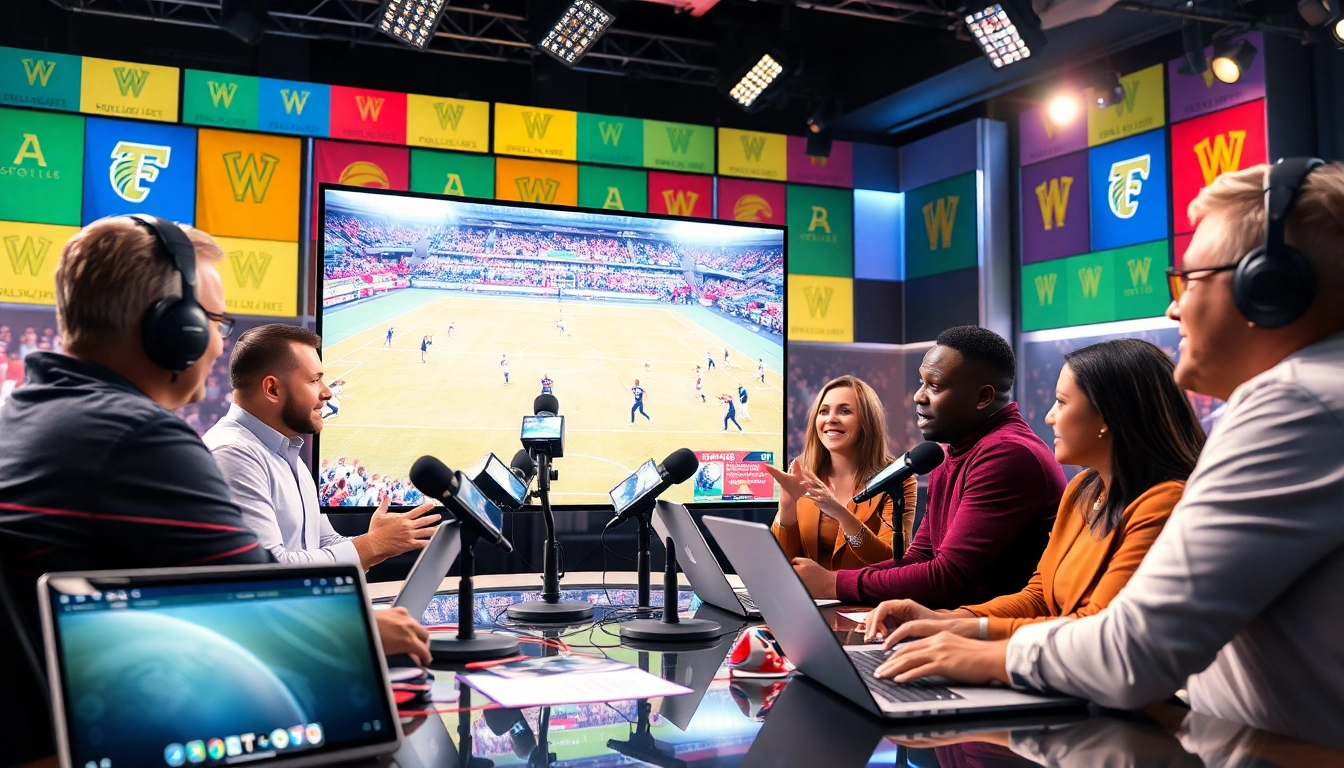
Understanding Sports Broadcasting
Definition and Key Concepts
Sports broadcasting refers to the transmission of sporting events or activities through various media channels, including television, radio, and now digital platforms. This form of media aims to share live or recorded coverage of sports events, commentary, analysis, and highlights to audiences globally. Understanding the intricacies of this medium is crucial for uncovering its influence on how sports are consumed and appreciated today. With the rise of online streaming services and mobile applications, the landscape of Sports Broadcasting has evolved dramatically, offering diverse formats for viewers to engage with their favorite sports.
Importance in Modern Media
In modern media, sports broadcasting plays a pivotal role in shaping public perception and enthusiasm for sports. It serves not only as a source of entertainment but also influences cultural trends and identity. The immediacy of live coverage allows fans to engage in real-time experiences, fostering a sense of community and connection. Additionally, sports broadcasts have a significant economic impact, generating substantial revenue for leagues, teams, broadcasters, and advertisers. Essentially, it’s a critical component of the broader media ecosystem that fuels both public interest and financial investment in sports.
Types of Sports Broadcasting Formats
Sports broadcasting can be segmented into various formats that cater to different audiences and preferences, including:
- Live broadcasting: This format provides real-time coverage of games, allowing fans to experience the action as it unfolds.
- Recorded broadcasts: Highlights or full replays of games that fans can watch at their convenience are essential for those who may have missed the live event.
- Radio broadcasts: These offer auditory coverage and commentary, particularly important for on-the-go fans.
- Streaming services: Digital platforms such as websites and apps enable viewers to watch games on demand, often with varying subscription models.
- Social Media Broadcasting: Short clips and live streams on platforms like Twitter or Instagram engage audiences in real-time and foster community interaction.
The Art of Production in Sports Broadcasting
Behind-the-Scenes Workflows
The production of sports broadcasting is an intricate process involving numerous stakeholders and meticulous planning. Behind the scenes, producers, directors, camera operators, and sound engineers work collaboratively to create a seamless broadcast experience. Pre-event preparation is crucial, involving coordination with teams, venues, and broadcasting majors to ensure that all technical and logistical aspects are covered. During the event, real-time decision-making is essential to handle unexpected occurrences successfully, making the role of production teams critical.
Technical Equipment and Requirements
High-quality sports broadcasts depend heavily on advanced technical equipment. Cameras are perhaps the most vital, ranging from static broadcast cameras to mobile units and drones offering dynamic angles. Additionally, audio equipment must be of professional quality to ensure the commentary is clear and the ambient sounds are captured effectively. Other critical components include graphics systems for on-screen statistics, replay technology for instant replays, and streaming equipment for digital broadcasts. Each tool plays a significant role in delivering an engaging viewer experience.
Creating Captivating Visuals and Sound
The visual and audio elements of sports broadcasts significantly impact viewer engagement. A combination of close-up shots, wide-angle views, and dynamic replays provide audiences with the action from multiple perspectives. Furthermore, sound design—encompassing everything from commentary to crowd noises—contributes to the thrilling atmosphere of live sports. Producers must skillfully integrate graphics and transitions to maintain the audience’s focus and enhance storytelling, making every game a cinematic experience.
Strategies for Engaging Audiences in Sports Broadcasting
Utilizing Social Media for Interaction
Social media platforms have revolutionized sports broadcasting engagement by allowing viewers to interact with each other and the broadcast in real time. Broadcasters use platforms like Twitter and Facebook to provide live commentary, polls, and behind-the-scenes content, creating a multi-dimensional viewing experience. Engaging audiences on these platforms fosters community and encourages viewership, turning fans into active participants rather than passive consumers.
Interactive Content and Viewer Participation
Enhancing viewer participation through interactive content continues to gain traction in sports broadcasting. Features such as live polls, quizzes, and viewer calls during game coverage allow audiences to influence discussions and engage with the broadcast directly. Various applications and platforms support such interactive features, ultimately enriching the viewing experience and cementing audience loyalty.
Creating Compelling Storylines
Storytelling in sports broadcasting goes beyond the event itself; it includes player narratives, team rivalries, and the overall journey of the sport. Compelling storylines captivate audiences, transforming games into dramatic and emotional experiences. Broadcasters can achieve this by integrating pre-event features, highlight packages, and post-game analysis, allowing viewers to connect with the sports on a personal level.
Challenges in Sports Broadcasting and How to Overcome Them
Adapting to Technological Changes
With the rapid evolution of technology, sports broadcasters must continually adapt to stay competitive. Utilizing new tools such as augmented reality, advanced analytics, and improved streaming capabilities can enhance viewer experience. Continuous professional development and investment in new technologies are essential to overcoming the hurdles posed by technological advancements.
Navigating Copyright and Licensing Issues
Copyright and licensing are critical challenges within sports broadcasting, especially given the vast array of content rights involved in every game. Broadcasters must ensure they have the legal rights to air specific content, which can often be a complex and costly process. Collaboration with legal teams and proper management of broadcasting rights are necessary steps in maintaining compliance while delivering exceptional content.
Maintaining Viewership in a Competitive Landscape
As competition among broadcasters increases, maintaining viewer loyalty becomes a significant challenge. Offering unique content, improved viewer experiences, and engaging features can help differentiate broadcasts. Implementing targeted marketing strategies and understanding audience preferences through data analytics will enable broadcasters to tailor their offerings and retain their viewers in this crowded space.
Future Trends in Sports Broadcasting
Emerging Technologies and Innovations
The future of sports broadcasting lies in the adoption of emerging technologies such as 5G connectivity, which will facilitate high-speed streaming, augmented reality applications enhancing viewer engagement, and virtual reality providing immersive experiences. These innovations will redefine how fans experience sporting events and create intimate connections with their favorite teams and players.
The Role of Data Analytics
Data analytics is set to redefine sports broadcasting by providing valuable insights into viewer behavior and preferences. Broadcasters can leverage this data to tailor content, optimize scheduling, and enhance viewer engagement strategies. In doing so, they can create personalized experiences that address the diverse interests of their audience, resulting in enhanced viewer retention and loyalty.
Preparing for the Next Generation of Viewers
As new generations engage with sports in diverse ways, broadcasters must prepare for shifting consumption habits. Young audiences gravitate towards online platforms and interactive content; therefore, strategizing around these preferences is crucial for future success. Developing multi-platform presence and ensuring adaptable content delivery will be key drivers in attracting and retaining the next generation of sports fans.
Frequently Asked Questions
What constitutes sports broadcasting?
Sports broadcasting involves the live or recorded transmission of sporting events through media channels like TV, radio, and online platforms, delivering commentary and analysis to audiences.
Why is storytelling important in sports broadcasting?
Storytelling cultivates emotional connections between the audience and the sport, enhancing viewer engagement by creating relatable narratives involving players and teams.
How do technical advancements impact sports broadcasting?
Technical advancements enable broadcasters to enhance visual and audio quality, offer interactive features, and improve audience accessibility, ultimately elevating the viewing experience.
What challenges do sports broadcasters face?
Sports broadcasters face challenges like adapting to technological changes, navigating copyright issues, and maintaining viewership in an increasingly competitive landscape.
How is data analytics utilized in sports broadcasting?
Data analytics informs broadcasters about viewer preferences and behaviors, allowing for more personalized content and strategies that enhance engagement and retention.