
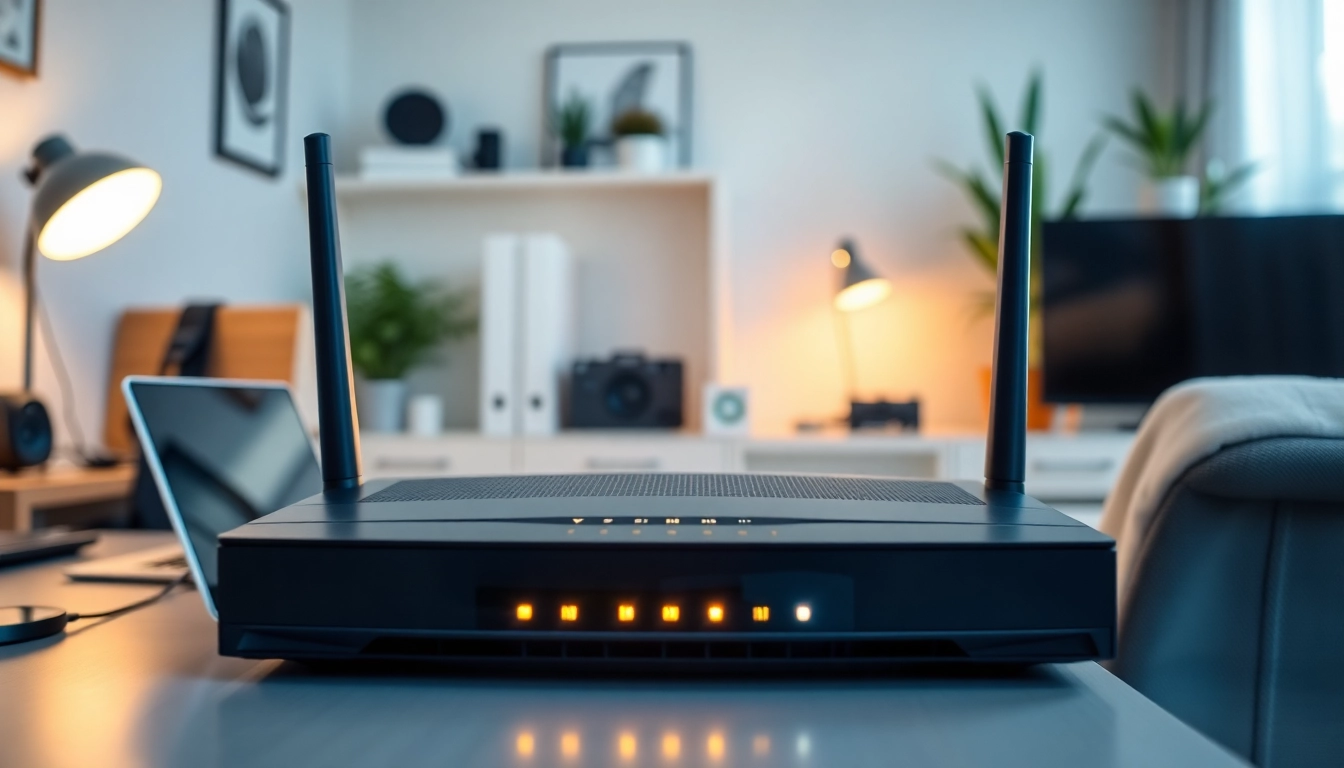
Understanding Pre Configured VPN Routers
What is a Pre Configured VPN Router?
A pre configured VPN router is a device that comes with a virtual private network (VPN) software already installed and set up. This means you can enjoy the benefits of a VPN without the complicated setup process typically associated with traditional VPN services. These routers are especially appealing for users who want a seamless experience across multiple devices in their home or office without the hassle of individual installations.
By integrating this technology directly into the router, users can protect their internet traffic automatically, enhancing both their online privacy and security. With a pre configured vpn router uk, you’re essentially ensuring that every device connected to your network benefits from the encryption and anonymity a VPN offers.
Benefits of Using a Pre Configured VPN Router
The advantages of using a pre configured VPN router are manifold:
- Multi-device support: A pre configured VPN router allows all connected devices to benefit from the VPN without requiring individual installations. This includes smartphones, tablets, laptops, smart TVs, and game consoles.
- Improved online security: With built-in VPN capabilities, your router encrypts all internet traffic, providing robust protection against hackers and cyber threats.
- Bypassing geo-restrictions: Users can access content that may be restricted in their region, including streaming services and websites, simply by connecting through the VPN router.
- Convenience: Setup is streamlined, often requiring just a few minutes to get started, unlike traditional VPN setups which may involve complex configurations.
- Cost-effective: Instead of paying for multiple VPN subscriptions, one router can serve as a single point of protection for all your devices, potentially saving money in the long run.
How Pre Configured VPN Routers Work
Pre configured VPN routers function by routing your internet connection through a secure server. When you connect to the internet, your data is encrypted and sent through this server, which masks your IP address and ensures your online activities are kept private. This process typically involves:
- The router connects to a VPN server using various protocols like OpenVPN, IPSec, or IKEv2.
- All data transmitted between your devices and the internet is encrypted by the router.
- Connected devices use the router’s IP address, allowing for anonymous browsing by concealing individual device identities.
Choosing the Right Pre Configured VPN Router UK
Key Features to Look for in a VPN Router
When selecting a pre configured VPN router in the UK, consider the following features:
- Speed: Look for routers that support high-speed connections and can handle multiple devices without slowing down your browsing experience.
- VPN Protocol Compatibility: Ensure the router supports robust protocols like OpenVPN or WireGuard for enhanced security.
- Ease of Use: A user-friendly interface is vital, especially if you’re less tech-savvy. Some routers come with mobile apps for simplified management.
- Security Features: Look for routers that offer advanced security settings, including firewalls, intrusion detection systems, and firmware update capabilities.
- Dual Band Support: Dual-band routers can utilize both 2.4GHz and 5GHz channels, providing better connectivity and speed for various devices.
Top Brands and Models Available
While many brands offer pre configured VPN routers, some have gained popularity for their reliability and performance. It’s important to look for routers widely reviewed and recommended for their VPN capabilities. Key features should include dual-band capabilities, quality hardware specs, and excellent customer support.
Some routers are designed specifically for VPN usage. These often include in-built functionalities that streamline the VPN setup and management process. Always check user reviews and performance ratings to ensure your selected router can meet your needs effectively.
Comparing Prices and Performance
Pricing for pre configured VPN routers can vary significantly based on features and performance levels. Generally, you may find:
- Budget Models: Priced lower, these models may have fewer features or may not support high speeds across multiple devices.
- Mid-range Models: Offering a good balance of performance, features, and price, these typically handle moderate to high usage quite effectively.
- High-end Models: These come with advanced features like extensive customization options, dual-band support, and premium security protocols.
When assessing value, consider both the hardware quality and the ease of managing VPN settings. Selecting the right model can ensure optimal performance while providing the security features necessary to protect your data.
Setting Up Your Pre Configured VPN Router
Step-by-Step Installation Guide
Setting up your pre configured VPN router is generally straightforward. Here is a simple guide to get you started:
- Unbox your router: Follow the manufacturer’s instructions to unpack and connect your hardware.
- Connect to your internet source: Plug the WAN port of the router into your modem using an Ethernet cable.
- Power on your router: After connecting, switch on the power, allowing the router to boot up.
- Access router settings: Open a browser and enter the router’s IP address (usually found on the router or its manual) to access the configuration interface.
- Enter login credentials: Use the default username and password (commonly found in the manual) to log into the settings.
- Configure your VPN: Follow the setup wizard that should guide you through connecting to the VPN servers. Use the credentials provided by your VPN service.
- Connect your devices: After configuration, connect your devices to the new network and test the VPN functionality.
Troubleshooting Common Setup Issues
Even with a pre configured VPN router, you may encounter some challenges. Common issues might include:
- Connection Problems: If your devices can’t connect to the VPN, recheck your configuration settings for any typos or incorrect entries.
- Slow Speeds: Try switching your VPN server location or adjusting router settings for better performance.
- No Internet Access: Ensure your modem is functioning properly and that your Ethernet connection is secure.
- Inaccessible Admin Panel: If you can’t access the router’s settings, verify the IP address and your network connection.
Most issues can be resolved in a few minutes by double-checking your configurations or restarting the router.
Configuring Security Settings
Maximizing your security settings can significantly enhance your online protection. Here are some steps:
- Enable WPA3 Encryption: Utilize the latest wireless encryption standards to safeguard your network.
- Change Default Credentials: Updating the default username and password ensures that only authorized users can access your router settings.
- Set Up a Guest Network: This feature allows visitors to connect to your internet without accessing your network’s main settings.
- Regularly Update Firmware: Keeping your router’s firmware up-to-date protects against vulnerabilities and exploits.
Optimizing Your VPN Router for Performance
Adjusting Settings for Maximum Speed
To ensure your VPN functions smoothly, it’s essential to optimize your settings. This may include:
- Selecting the right VPN protocol: Some protocols offer faster speeds but may compromise security. Finding the right balance is crucial.
- Reducing server load: If one specific server is congested, switching to a lesser-used server can improve your connection.
- Adjusting MTU Settings: Tuning the Maximum Transmission Unit can aid in improving speed and performance.
Experiment with various configurations to find the best setup for your needs.
Choosing the Right Server Locations
Your physical distance from a VPN server can greatly impact speed. Here’s how to choose the right locations:
- Proximity matters: Selecting a nearby server typically yields better speeds.
- Purpose-driven selection: For accessing streaming services, choose servers in regions that provide access to desired content.
- Network performance: Some servers will be better equipped than others; select those known for stable performance.
Regularly testing different servers can help you find the best performance for your network.
Measuring Your VPN Performance
Regularly assessing your VPN performance is key to ensuring it meets your needs. Consider measuring:
- Connection Speed: Use speed test tools to compare your internet speed with and without the VPN.
- Ping Latency: Low latency is necessary for activities like gaming and VoIP. Measure it with various servers to assess performance.
- Reliability: Check how often your connection drops and the time it takes to reconnect.
Use this data to adjust your settings or select different server locations to enhance your performance.
Maintaining Your Pre Configured VPN Router
Regular Firmware Updates
Keeping your router’s firmware up-to-date is crucial for maintaining security and performance. Here’s how to do it:
- Check for Updates: Access the router’s configuration page to see if an update is available.
- Follow Instructions: Most updates can be installed directly through the router’s interface. Pay attention to any prompts or messages.
- Backup Settings: Before updating, save your current settings, so you can restore them if needed after the update.
Regular updates not only enhance security but also may introduce new features that improve your overall experience.
Monitoring Performance Metrics
Keeping an eye on performance metrics will help you understand your network’s health. Key metrics to monitor include:
- Bandwidth Usage: Regularly check your data consumption to avoid throttling from your ISP.
- Device Connections: Track how many devices are connected and their data usage to manage bandwidth effectively.
- Security Alerts: Keep an eye on any security notifications or breaches reported by your router.
Establishing a routine for performance monitoring will ensure you maintain optimal internet speeds and security.
Tips for Long-Term Reliability
To ensure your VPN router remains reliable over time:
- Limit Connected Devices: Avoid overloading your network to maintain optimal performance.
- Reset Regularly: Occasionally rebooting your router can resolve minor issues and enhance performance.
- Physical Location: Position your router in a central location to maximize wireless coverage and minimize signal interference.
Taking these proactive steps can help ensure your pre configured VPN router continues to serve you effectively in the long term.
Frequently Asked Questions
1. What devices can connect to a pre configured VPN router?
All devices connected to your network, including smartphones, tablets, laptops, and smart TVs, can benefit from a pre configured VPN router.
2. Is encryption necessary when using a VPN router?
Yes, encryption is essential as it protects your data from being intercepted by hackers while you browse online.
3. Can I use multiple VPN routers at once?
Technically, yes, but it may complicate your setup and could lead to unnecessary network congestion or configuration errors.
4. Do pre configured VPN routers come with customer support?
Most reputable pre configured VPN routers come with some level of customer support, helping you troubleshoot and resolve issues.
5. How often should I update my VPN router firmware?
Regularly check for updates every few months or whenever your router manufacturer releases a new version to ensure optimal security.