
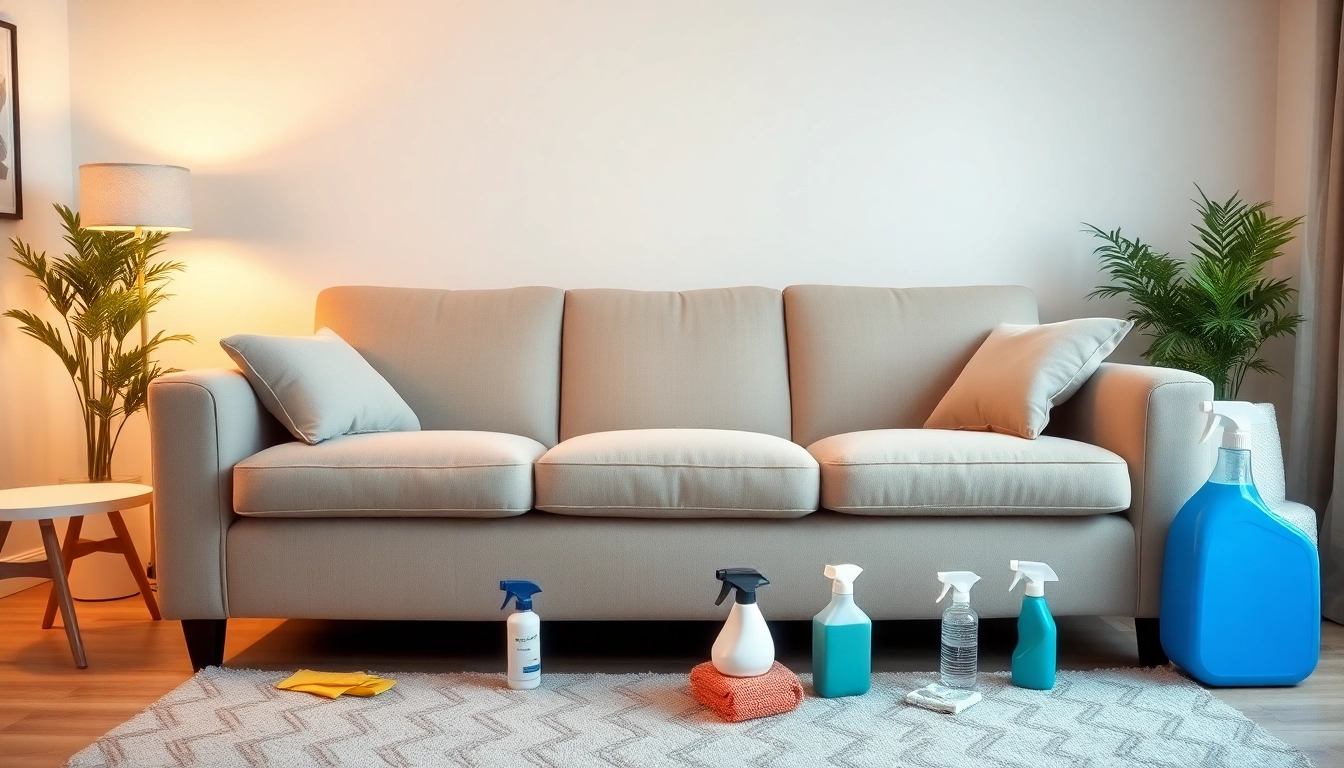
Understanding the Importance of Sofa Cleaning in Glasgow
When it comes to maintaining a clean and healthy home, one often-overlooked element is the sofa. Many homeowners in Glasgow may not realize just how crucial regular Sofa cleaning in Glasgow is for their well-being and home environment. Sofas attract dirt, dust, and allergens, serving as a breeding ground for bacteria and pests. Understanding the importance of regular sofa cleaning can lead to a healthier home and a more pleasant living space.
Health Benefits of Regular Sofa Cleaning
Regularly cleaning your sofa can significantly boost your indoor health. Sofas can trap allergens such as dust mites, pet dander, and mold, which may lead to respiratory issues, allergies, and other health complications. Routine cleaning removes these contaminants, ensuring a fresher, healthier environment. Additionally, thorough cleaning removes bacteria that can accumulate over time, reducing the risk of infections or illnesses.
Impact on Indoor Air Quality
The quality of air inside your home can be drastically impacted by the hidden pollutants in your sofa fabric. Dust and allergens embedded in upholstery can disperse into the air, exacerbating asthma and allergies. Regular cleaning helps to eliminate these pollutants, thereby improving overall indoor air quality and making your home a more inviting space for everyone.
Maintaining the Value of Your Furniture
Your sofa is not just a piece of furniture; it’s an investment. Regular cleaning helps maintain its appearance and structural integrity, prolonging its lifespan. Deep cleaning can rejuvenate fabric, remove stains, and preserve colors, ensuring your sofa remains as good as new. This is especially important if you plan to sell or reupholster your sofa in the future, as well-maintained furniture retains its value better than neglected items.
Common Sofa Cleaning Techniques
When it comes to cleaning your sofa, you have a range of methods available, each with its own benefits. Understanding these techniques allows you to choose the best approach based on your sofa’s material, condition, and your personal needs.
Vacuuming and Spot Cleaning Basics
Vacuuming is the first line of defense against dirt and allergens. Regularly using a vacuum with an upholstery attachment can help remove loose dirt, hair, and dander. For spills or stains, spot cleaning is essential. Always test a cleaner on a hidden area first and use a fabric-appropriate solution. Blotting stains rather than scrubbing helps prevent damage to the fabric. Stay consistent with vacuuming and spot cleaning to maintain a fresh sofa.
Steam Cleaning: Benefits and Methods
Steam cleaning is an effective, deep-cleaning method that uses high temperatures to eliminate dirt, bacteria, and allergens. The steam penetrates fabric fibers, loosening dirt while sanitizing the surface. This method is particularly beneficial for fabrics that are water-safe. Ensure to check your manufacturer’s care instructions before proceeding. Professional steam cleaning is often an option, providing thorough cleaning and ensuring no residue is left behind.
When to Hire Professional Services
While DIY techniques are effective for maintenance, there are times when hiring professional cleaners is wise. If your sofa is heavily stained, has a persistent odor, or is made from delicate materials, professional cleaning can provide a level of deep cleaning that DIY methods often cannot. Experts are equipped with specialized tools and products that safely and effectively clean your sofa.
Choosing the Right Sofa Cleaning Products
Not all cleaning products are created equal, and choosing the right ones can make a significant difference in the cleaning process. Here are some factors to consider when selecting cleaning agents for your sofa.
Eco-Friendly Cleaning Solutions
As environmental awareness increases, many homeowners are turning to eco-friendly cleaning solutions. These products are made from natural ingredients and are often free from harsh chemicals, making them safer for both the environment and your family. They are particularly beneficial if you have children or pets, reducing the risk of exposure to toxic substances.
Understanding Fabric-Specific Cleaners
Different fabrics require different cleaning methods and products. For example, leather requires specific cleaners not to dry out or damage the finish. Similarly, synthetic fabrics may handle water-based cleaners but not solvents. Knowing your sofa’s fabric type will guide you in selecting the appropriate cleaning product, ensuring optimal care without risking damage.
DIY vs. Professional Products
DIY cleaning solutions can be effective for minor stains and maintenance. However, for deeper cleaning, professional-grade products are preferred. These products are designed for heavy-duty cleaning and often contain advanced formulations that address specific issues, such as odor or difficult stains. Weigh the options based on your needs and the condition of your sofa.
Maintaining Cleanliness After Sofa Cleaning
Keeping your sofa clean after an extensive cleaning session requires diligent maintenance. Implementing a few good practices can help keep your furniture looking new and fresh.
Daily Maintenance Tips
Incorporating simple routines can help maintain your sofa’s appearance. Daily tasks, such as fluffing cushions, rotating them periodically, and encouraging family members to follow ‘no food on the sofa’ rules, can keep it clean longer. Regular vacuuming should also become part of your routine—consider setting a specific schedule, such as once a week, to make it a habit.
Protective Measures Against Stains
Utilizing fabric protectors can be a smart choice for preventing stains. These sprays create a barrier against spills and dirt, making it easier to wipe away messes before they set. Additionally, using throws or covers can safeguard upholstery, especially in homes with children or pets. Keep cleaning supplies within reach for quick responses to accidents.
Effective Upholstery Care Routines
Establish a comprehensive care routine that suits your sofa’s material. This should include periodic deep cleaning, regular vacuuming, and addressing spills immediately. Consider creating a schedule based on the sofa’s use; for instance, sofas in high-traffic areas may benefit from more frequent care. Keeping a journal of your cleaning methods can also help track what works best for maintaining your sofa.
FAQs About Sofa Cleaning in Glasgow
How often should I get my sofa cleaned?
Regular cleaning is recommended every 6 to 12 months, depending on usage and household conditions.
Can I clean my sofa myself?
Yes, you can use vacuuming and spot cleaning methods, but professional cleaning ensures thoroughness.
What types of sofas require special cleaning methods?
Leather and delicate fabrics often require specialized care to avoid damage.
Are professional products safe for my children and pets?
Many professional cleaners now offer eco-friendly, non-toxic options that are safe for families.
What are the costs associated with professional sofa cleaning?
Costs vary based on size, fabric, and service level, averaging from £30 to £150 in Glasgow.