Understanding Best LVP Flooring
What is LVP Flooring?
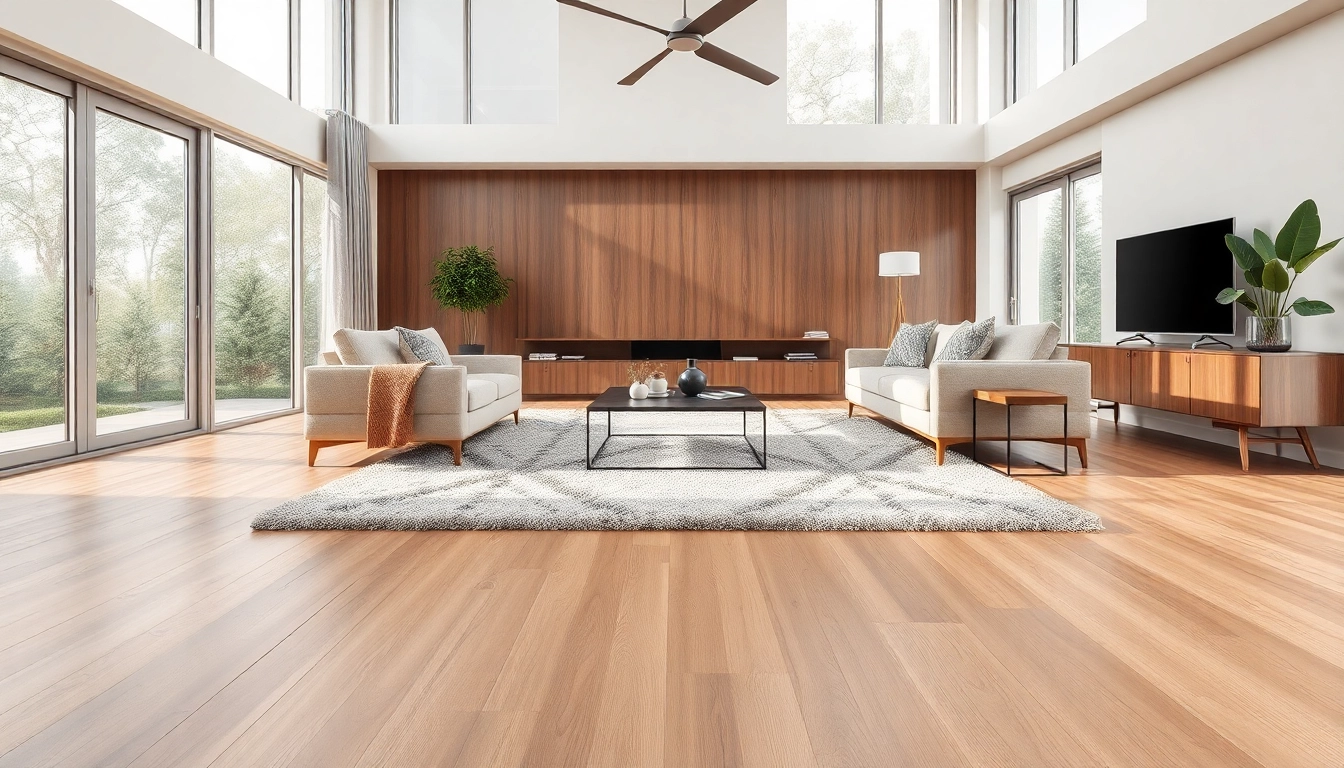
LVP, or Luxury Vinyl Plank, is a type of resilient flooring that mimics the appearance of natural materials like hardwood or stone, yet offers the durability and moisture resistance that many homeowners seek. LVP flooring is constructed in layers: a wear layer that protects against scratches, a design layer that features realistic visuals, a backing layer for stability, and core layers that enhance its durability and comfort underfoot. With advancements in technology and design, the best lvp flooring options can convincingly replicate various types of wood and stone while providing a quick and easy installation process.
Benefits of Best LVP Flooring
The advantages of LVP flooring are imbued with practicality and elegance, making it a popular choice for diverse living spaces. Here are some key benefits:
- Durability: LVP flooring is designed to withstand heavy foot traffic, making it perfect for busy households and commercial spaces.
- Moisture Resistance: Unlike traditional wood flooring, LVP is highly resistant to moisture, which makes it suitable for kitchens, bathrooms, and basements.
- Easy Maintenance: Cleaning LVP is simple—regular sweeping and occasional mopping keep it looking fresh without the need for harsh chemicals.
- Comfort Underfoot: The construction of LVP provides a softer touch compared to traditional hard surfaces, making it more comfortable for standing and walking.
- Aesthetic Versatility: Available in a wide range of designs, colors, and textures, LVP can complement any decor style from modern to rustic.
Key Features to Look for in LVP Flooring
When choosing the best LVP flooring, consider the following features to ensure that your investment is worthwhile:
- Wear Layer Thickness: A thicker wear layer typically translates to better durability and scratch resistance.
- Water Resistance: Look for options labeled as waterproof to maximize performance in moisture-prone areas.
- Sound Absorption: Many LVP products offer enhanced sound absorption qualities, which can reduce noise in busy households.
- Installation Method: Whether you prefer glue-down, click-lock, or loose lay, the installation method will determine how quickly you can enjoy your new flooring.
- Design Options: Examine the collection of colors, textures, and designs to find a product that fits your aesthetic vision.
Comparing LVP Flooring to Other Flooring Types
LVP vs. Hardwood Flooring
Hardwood flooring is often revered for its timeless beauty but comes with vulnerabilities that LVP overcomes. LVP provides superior moisture resistance, making it less prone to warping or cupping. Additionally, LVP does not require refinishing and is less expensive, making it an attractive alternative for those seeking both style and function.
LVP vs. Tile Flooring
Tile flooring is known for its durability and water resistance; however, it can be cold and hard underfoot. LVP mimics tile’s aesthetic while offering a more comfortable experience, requiring less effort on installation and maintenance. Furthermore, LVP’s versatility allows it to resemble tile without the need for grout lines, which can discolor over time.
Advantages of LVP Over Traditional Options
Beyond the comparisons with hardwood and tile, LVP flooring boasts several other noteworthy advantages:
- Cost-Effective: The upfront cost and ongoing maintenance for LVP are typically lower than for its natural counterparts.
- Eco-Friendly Options: Many LVP products are made from recycled materials, making them an environmentally friendly choice.
- DIY Friendly: With interlocking planks and glue-less options, LVP flooring is accessible for DIY enthusiasts, saving on professional installation costs.
Choosing the Best LVP Flooring for Your Space
Factors to Consider When Selecting LVP Flooring
When selecting the best LVP flooring, several unique factors should be considered:
- Foot Traffic: Evaluate the expected volume of foot traffic in each space to determine the appropriate wear layer.
- Room Function: Different rooms may require distinct flooring qualities—dining rooms may prioritize aesthetics, while bathrooms emphasize water resistance.
- Climate Consideration: Extreme temperature or humidity levels can affect flooring performance; ensure the LVP selected is designed for your environment.
Color and Style Options
The aesthetic appeal of LVP flooring is one of its strongest features. Available in a plethora of colors and styles, it is essential to select a finish that aligns with your overarching design theme. Popular choices include:
- Natural Wood Looks: Emulating the appearance of various wood species, from oak to walnut, to add warmth and character to your space.
- Stone and Tile Designs: Offering a modern, sleek presentation that is perfect for kitchens and bathrooms.
- Patterns and Textures: Distressed finishes or embossed textures can create visual interests, enhancing dimension in your flooring.
Estimating Costs and Budgeting
Budgeting for LVP flooring entails understanding the overall costs involved in purchasing and installing your selected flooring. Start by considering:
- Material Costs: Prices typically range based on quality, brand, and complexity of design. Aim to balance cost-effectiveness with aesthetic value.
- Installation Costs: Factor in whether you will hire a professional or tackle the installation yourself.
- Long-term Expenses: Consider maintenance and potential repairs when evaluating the total cost of ownership.
Installation Tips for Best LVP Flooring
Pre-Installation Preparations
Before diving into the installation process, ensure your space is ready:
- Acclimation: Allow the planks to acclimate by placing them in the installation area for at least 48 hours.
- Subfloor Assessment: Inspect the subfloor for any damage or irregularities, and repair as necessary to ensure a level surface.
- Tools Preparation: Gather essential tools such as a utility knife, measuring tape, and spacers to facilitate a smooth installation process.
Step-by-Step Installation Guide
While there are various installation methods, here’s a general step-by-step guide for click-lock LVP flooring:
- Start by measuring the room to determine the amount of LVP needed.
- Lay down an underlayment if required for added comfort and sound absorption.
- Begin in a corner of the room, aligning the first plank with the wall, using spacers to maintain a proper gap.
- Join the subsequent planks, ensuring each click-lock section fits tightly for a seamless look.
- Continue until the entire room is complete, and remember to cut planks as necessary to fit the final row.
Common Mistakes to Avoid
To ensure a successful installation, steer clear of these common pitfalls:
- Neglecting Preparation: Proper subfloor preparation can mean the difference between a flawless finish and costly repairs down the line.
- Overlooking Expansion Gaps: Failing to leave adequate expansion gaps around the edges can result in buckling over time due to temperature fluctuations.
- Incorrect Installation Angle: Ensure planks are installed at the right angle to avoid gaps or uneven surfaces.
Maintenance and Care for LVP Flooring
Cleansing Techniques for Best LVP Flooring
To maintain the appearance and durability of your LVP flooring, adhere to these cleansing techniques:
- Regular Sweeping: Remove dirt and debris with a soft broom to prevent scratching.
- Damp Mopping: Use a damp mop with a mild cleaner. Avoid using steam mops, as excessive heat can damage the planks.
- Spot Cleaning: Promptly clean spills with a soft cloth and a gentle cleaner to minimize staining.
Long-Term Care Strategies
To keep your LVP flooring looking pristine for years to come, consider these long-term care strategies:
- Furniture Protection: Use felt pads under furniture legs to avoid scratches and dents from shifting.
- Area Rugs: Place area rugs in high-traffic zones to provide an additional layer of protection and add style.
- Climate Control: Maintain a consistent temperature and humidity level within your home to prevent issues related to expansion and contraction.
Identifying and Repairing Common Damages
Even the best LVP flooring can experience wear and tear. Here’s how to identify and address common issues:
- Scratches: Minor scratches can often be buffed out with a soft cloth. For deeper scratches, consider using a color-matched repair kit.
- Bubbles or Warping: If bubbles or warping occur, check the installation for moisture issues and rectify the underlying cause.
- Missing Planks: If a plank becomes severely damaged, most LVP brands allow for easy replacement without needing to redo the entire floor.
Frequently Asked Questions
1. What is LVP flooring?
LVP, or Luxury Vinyl Plank, is a high-quality alternative to hardwood or tile designed for durability and aesthetic appeal.
2. How does LVP compare to laminate flooring?
LVP offers better moisture resistance and a more realistic wood appearance than laminate flooring, making it an excellent choice for many spaces.
3. Can I install LVP flooring by myself?
Yes, with the right tools and preparation, installing LVP flooring can be a DIY-friendly project with rewarding results.
4. How do I clean best LVP flooring?
Regular sweeping and occasional damp mopping with gentle cleaners will keep it looking fresh and vibrant over the years.
5. Is best LVP flooring suitable for kitchens and bathrooms?
Absolutely! LVP is water-resistant and specifically designed for high-moisture areas, making it ideal for kitchens and bathrooms.