Understanding the Role of Box Spring in Sleep Quality
Proper sleep is essential for physical health and mental well-being. One of the most critical components of a restful sleep environment is the box spring. Though often overlooked, the box spring plays a vital role in enhancing overall sleep quality by providing a solid foundation for your mattress. This article delves into the intricacies of box springs, their benefits, how to choose the right one, and common misconceptions associated with them.
What is a Box Spring?
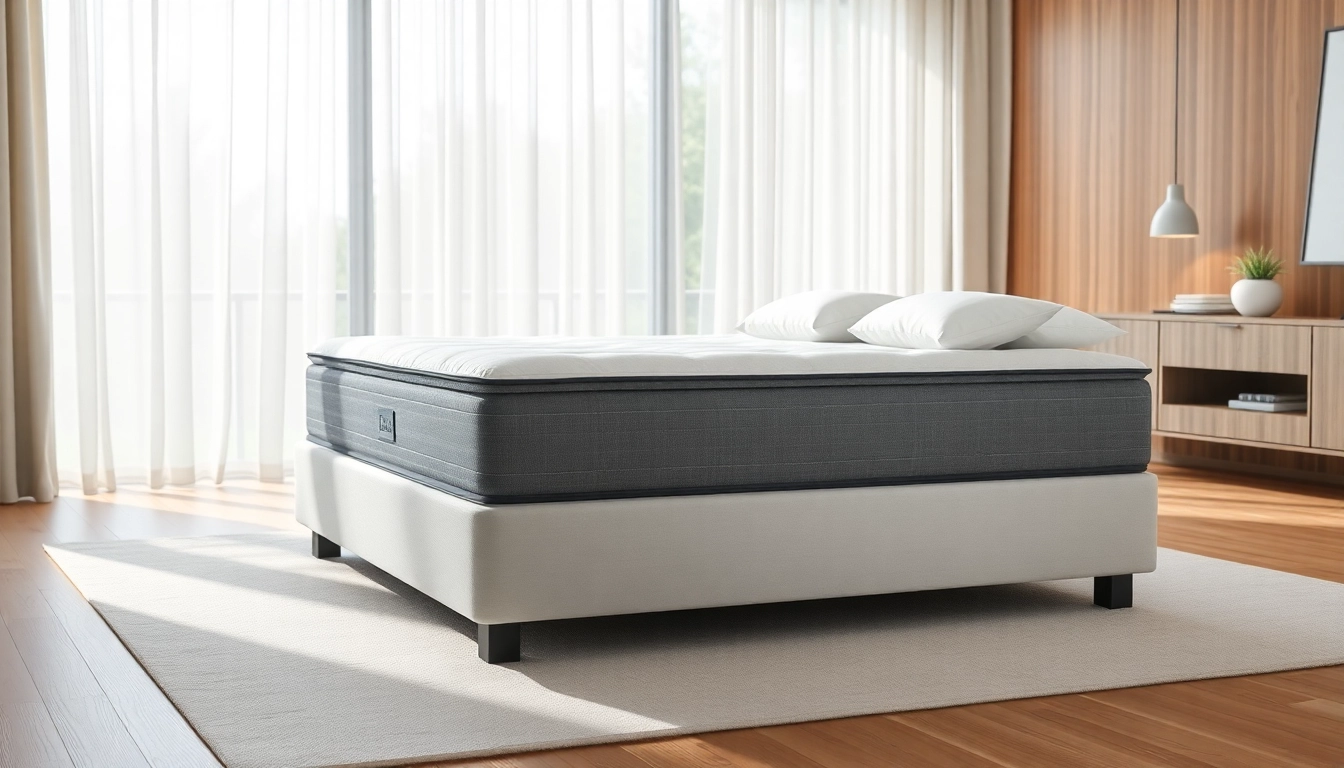
A box spring is a type of bed base that consists of a wooden frame containing a network of springs. Typically covered in fabric, the box spring serves a dual purpose: it supports the mattress and absorbs shock. While box springs are most commonly paired with innerspring mattresses, they can be used with various other mattress types, illuminating their versatility in enhancing sleep quality.
How Box Spring Influences Mattress Performance
The primary job of a box spring is to extend the life of your mattress by offering necessary support. A properly matched box spring provides the right type of foundation to ensure that the mattress performs as intended. For instance, an innerspring mattress relies heavily on the elasticity and support of a box spring, while memory foam mattresses often perform best on a solid foundation. Inadequate support can lead to sagging and uneven wear, underscoring the importance of selecting the right box spring for your mattress.
Box Spring and Your Sleep Posture
Your sleep posture, which refers to the position you sleep in, heavily impacts spinal alignment and overall restfulness. A box spring can influence this alignment by providing the necessary height and support. When the bed height is appropriate, it becomes easier to get in and out of bed. A quality box spring can also aid in maintaining proper posture while sleeping, reducing the risk of waking up with aches and pains.
Choosing the Right Box Spring for Your Needs
Types of Box Springs Available
Box springs are not one-size-fits-all. There are various types, including:
- Traditional Box Springs: These are the most common, featuring a series of coils for support.
- Low-Profile Box Springs: Designed for aesthetics, these are more compact and often used with modern mattress styles.
- Platform Beds: While they don’t usually require a box spring, platforms can sometimes serve the same supportive purpose.
- Adjustable Bases: These allow you to alter the bed’s position, suitable for those needing customized support or comfort.
How to Select a Box Spring Based on Your Mattress
When choosing a box spring, consider your mattress type. If you own an innerspring mattress, select a high-quality box spring that can match its firmness. For a memory foam mattress, look for a solid foundation rather than a traditional box spring, as it will better support the mattress’s unique characteristics. Always verify the manufacturer’s recommendations to ensure compatibility for optimal performance.
Budgeting for Your Box Spring Purchase
Budgeting for a box spring should reflect its importance in your sleep system. Prices can vary widely, typically ranging from a couple of hundred to over a thousand dollars. Set a reasonable budget while considering factors such as durability and warranty. Investing in a quality box spring can save you money in the long run by extending your mattress’s lifespan and enhancing your sleep quality.
Benefits of Using a Box Spring with Your Mattress
Enhanced Shock Absorption
One of the most significant advantages of a box spring is its ability to absorb shocks and distribute body weight evenly across the mattress. This function not only helps maintain the mattress’s integrity over time but also enhances comfort while sleeping. Reduced wear can lead to a more restful sleep, as you won’t feel motion transfer from a partner moving during the night.
Improved Air Circulation
A box spring elevates the mattress, allowing for better air circulation. This increased airflow helps in regulating temperature, reducing moisture, and preventing the growth of allergens such as mold and dust mites, contributing to a healthier sleeping environment. Good airflow is essential for maintaining the quality of both the mattress and the sleeper’s health.
Heightening Your Bed’s Aesthetic
The style of your box spring can significantly enhance the aesthetic appeal of your bedroom. A well-chosen box spring in combination with a stylish mattress can create an elegant centerpiece for your bedroom. This combination can also visually elevate the space, making it appear larger and more inviting.
Common Misconceptions About Box Springs
Do You Really Need a Box Spring?
While many traditional mattresses were designed with box springs in mind, modern advancements in sleep technology have raised questions about their necessity. It’s essential to recognize that not all mattresses require a box spring; some directly benefit from solid platforms or adjustable frames based on their construction.
Can You Use a Box Spring with Any Mattress?
Not every mattress is compatible with a box spring. For instance, memory foam mattresses function best on a solid, uniform surface that provides even support. Therefore, always check the mattress manufacturer’s guidelines before pairing it with a box spring to maximize comfort and performance.
Are Box Springs Only for Spring Mattresses?
While box springs are primarily associated with innerspring mattresses, they can also be used with other mattress types. However, it is critical to consider the specific needs of your mattress type to ensure it receives proper support. Always do your research to find the right base for your mattress to enhance its performance and your overall sleep experience.
Maintaining Your Box Spring for Longevity
Best Practices for Care and Cleaning
Maintaining your box spring is essential for its longevity and performance. Regularly inspect it for any signs of wear and tear, and gently vacuum it to remove dirt and allergens. Using a mattress protector can add a layer of protection against spills or stains, extending its life significantly.
Signs You Need to Replace Your Box Spring
After years of use, it’s essential to know when to replace your box spring. If you notice sagging, creaking sounds, or instability when you sit on the edge of the bed, it may be time for a new box spring. Additionally, if your mattress has begun to wear unevenly or experiences discomfort, a worn-out box spring could be the culprit.
How Box Spring Maintenance Enhances Performance
Proper maintenance of your box spring can lead to heightened performance and comfort. Regular care ensures that the structural integrity remains intact, contributing to better support for your mattress. A well-maintained box spring can ultimately improve the quality of your sleep, allowing you to wake up refreshed and ready for the day.
FAQs About Box Springs
1. What is the lifespan of a box spring?
The lifespan of a box spring is typically between 7 to 10 years, depending on usage, maintenance, and quality. Regular inspections can help determine when it needs replacing.
2. Can you use a box spring on a platform bed?
Generally, platform beds do not require a box spring because they provide sufficient support. However, if preferred, you can use one for additional height or style.
3. How does a box spring affect sleep quality?
A box spring provides necessary support and shock absorption, which can enhance sleep quality by ensuring proper mattress performance and reducing discomfort.
4. Should a box spring match the height of the mattress?
Yes, optimal height balance between the box spring and mattress is essential for ease of access, comfort, and maintaining proper sleep posture.
5. Is a box spring necessary for a hybrid mattress?
While many hybrid mattresses can work well with a box spring, it’s crucial to check manufacturer specifications for compatibility and optimal support.