Understanding the Milton Colonial Addition Renovation
The Milton Colonial Addition Renovation is a unique opportunity to expand and enhance your living space while preserving the distinct charm of colonial architecture. This type of renovation not only breathes new life into an existing structure but also elevates its functionality and aesthetic appeal. By carefully planning your project, focusing on essential elements of colonial design, and executing it with precision, homeowners can enjoy a seamless blend of history and modern living. For more insights into the Milton Colonial Addition Renovation, continue reading to explore everything from planning to execution.
What is a Colonial Addition Renovation?
A Colonial Addition Renovation refers to the process of expanding or modifying a colonial-style home. This renovation typically involves adding new spaces such as bedrooms, bathrooms, or common areas while maintaining the architectural integrity and style of the original structure. Such renovations respect historical influences, incorporating traditional building methods, materials, and design elements that characterize colonial homes.
Key Features of Colonial Architecture
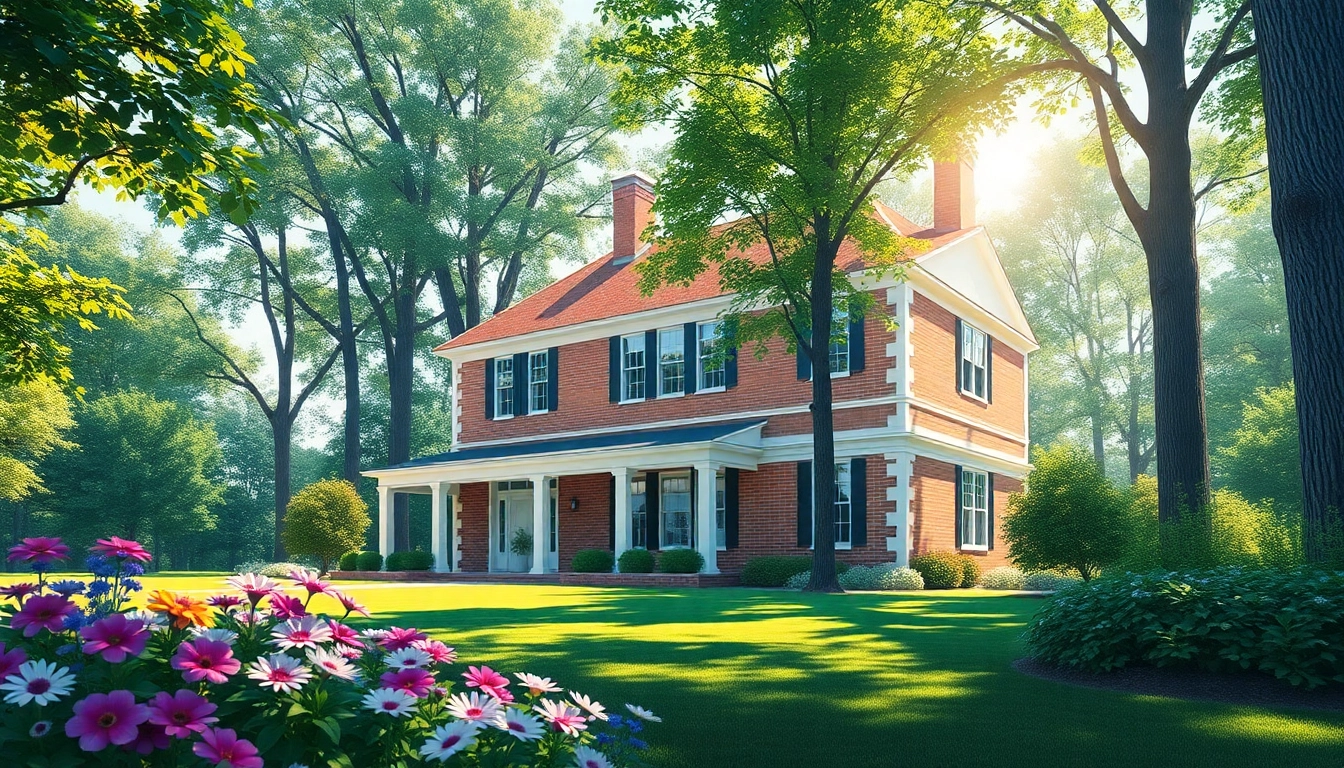
Colonial architecture is recognized for its symmetrical façade, rectangular shape, and well-defined rooflines. Featuring central entrances and evenly spaced windows, colonial homes exude a sense of balance and harmony. Additional key features include:
- Pillars and Porticos: Many colonial homes feature grand porticos supported by columns that create an inviting entrance.
- Sash Windows: Double-hung windows with small panes help achieve an authentic colonial aesthetic.
- Classic Colors: Soft, muted color palettes such as white, cream, gray, and pastel shades are common, reflecting the era’s simplicity.
- Decorative Molding: Interior trim often includes detailed moldings and woodwork, adding elegance to the design.
Benefits of Milton Colonial Addition Renovation
The benefits of pursuing a Milton Colonial Addition Renovation are numerous. Primarily, such renovations enhance the functionality and comfort of existing living spaces while retaining historical charm. Other advantages include:
- Increased Property Value: Renovations that honor architectural integrity often lead to higher market value.
- Personalized Space: Custom additions can meet the evolving needs of your family, making your home more suitable for your lifestyle.
- Energy Efficiency: Incorporating modern materials and technology can significantly enhance your home’s efficiency.
Planning Your Renovation
Assessing Your Home’s Current Layout
Before embarking on a Milton Colonial Addition Renovation, a thorough assessment of your home’s existing layout is crucial. Understand how current spaces function and identify any limitations or issues. This assessment allows for creating a seamless addition that integrates well with both the interior and exterior of the home. Consider aspects such as:
- Traffic flow between spaces
- Natural light and ventilation
- Accessibility and usability of existing areas
Setting a Realistic Budget
Establishing a sensible budget is critical to the success of your renovation project. Determine what you can afford, keeping in mind that renovation costs can vary widely based on factors such as size, design choices, and material selections. Allocate funds for:
- Construction and labor costs
- Permits and inspections
- Interior furnishings and finishes
It’s wise to add a contingency of 10-20% to your budget to cover unexpected costs that may arise during construction.
Choosing the Right Materials
Materials play a significant role in the success of your Milton Colonial Addition Renovation. Select materials that are not only authentic to colonial architecture but also durable and efficient. Consider options such as:
- Brick and Wood: Traditional colonial homes often feature brick exteriors with wood elements, which can be replicated in your addition.
- Energy-Efficient Windows: Choose windows that reflect the colonial style but offer modern efficiency to reduce utility costs.
- Sustainable Materials: Explore eco-friendly options that respect both traditional aesthetics and modern sustainability goals.
Design Inspirations for Colonial Additions
Timeless Interior Styles
When planning the interior design of your Colonial Addition, consider timeless styles that harmonize well with the architecture. Some inspirations include:
- Classic American: Featuring hardwood floors, comfortable furnishings, and warm color palettes, this style reflects the historical elegance of colonial homes.
- Modern Rustic: Blending contemporary elements with rustic accents can create a cozy yet stylish space.
- Transitional: By mixing traditional and contemporary design elements, you can achieve an inviting atmosphere suitable for modern living.
Outdoor Space: Merging Nature with Architecture
Outdoor areas are an essential extension of colonial homes. Consider how to incorporate outdoor spaces seamlessly into your renovation, enhancing both functionality and aesthetics. Possibilities include:
- Porches and Patios: Adding a covered porch or patio can provide a transitional space between the indoors and outdoors.
- Landscaping: Thoughtful landscaping can enhance the curb appeal of your addition while creating tranquil outdoor retreats.
Creating Multifunctional Areas
Many families seek multifunctional rooms that can adapt to various needs over time. Designing adaptable spaces in your addition can promote functionality and efficiency. Consider:
- Open-Concept Designs: Merging kitchen, dining, and living areas creates an airy, inviting environment.
- Flexible Spaces: Use movable partitions or furniture to enable easy transitions between activities.
Execution and Project Management
Finding Qualified Contractors
Engaging skilled contractors is one of the most important steps in ensuring the success of your Milton Colonial Addition Renovation. To find qualified professionals, consider:
- Seeking recommendations from friends and family
- Researching online reviews and checking references
- Interviewing potential contractors to ensure alignment with your vision
Timeline for Your Milton Colonial Addition Renovation
Establishing a clear timeline is vital for project management. Typical renovation timelines can range from three to six months, depending on the project’s scale and complexity. Key elements of your timeline should include:
- Design and planning phase
- Permitting process
- Construction schedule
- Finishing touches and inspections
Managing Unexpected Challenges
Every renovation project can encounter unexpected challenges, from budget overruns to unforeseen structural issues. Effective strategies to manage such concerns include:
- Maintaining open communication with your contractor
- Preparing an emergency fund for unanticipated expenses
- Being flexible and open to modifying plans as necessary
Measuring Success and Outcomes
Post-Renovation Reviews and Assessments
Once your Milton Colonial Addition Renovation is completed, conducting post-renovation reviews is essential. Assessing both functionality and aesthetic appeal can help evaluate project success. Key evaluation points include:
- How well does the new space integrate with the existing layout?
- Are the functional needs of the family met?
- Does the aesthetic align with your original vision?
Enhancing Property Value Through Renovation
One of the foremost benefits of a Milton Colonial Addition Renovation is the potential increase in property value. Homeowners can expect to see a return on their investment through:
- Increased living space
- Modernized amenities
- Curb appeal, especially from preserving historical features
Real-Life Case Studies of Successful Renovations
Learning from real-life examples can provide valuable insights into the potential of a Milton Colonial Addition Renovation. For instance, a homeowner who added a spacious family room with large windows to a traditional colonial saw not only improved family enjoyment but also a 20% increase in property value. Other case studies illustrate the importance of maintaining architectural integrity while enhancing functionality, showcasing how a well-executed addition can blend tradition with modern living.
FAQs
What are the costs involved in a Milton Colonial Addition Renovation?
Costs typically range based on size, materials, and labor. Average budgets are from $50,000 to $150,000.
How long does a renovation usually take?
A standard Milton Colonial Addition Renovation can take 3 to 6 months, depending on scope and complexity.
Do I need a permit for my renovation?
Yes, permits are generally required for structural changes. Check local regulations for specifics.
Can I live in my home during the renovation?
Yes, many homeowners stay during renovations; however, some may need to relocate temporarily for comfort.
What architectural style complements a colonial addition?
Modern and traditional styles can both enhance colonial architecture, creating an appealing fusion.